
Sports Memorabilia Appraisal Services in San Antonio
A sports memorabilia appraisal assigns a documented fair market value to your items based on condition, rarity, provenance, and current market demand.
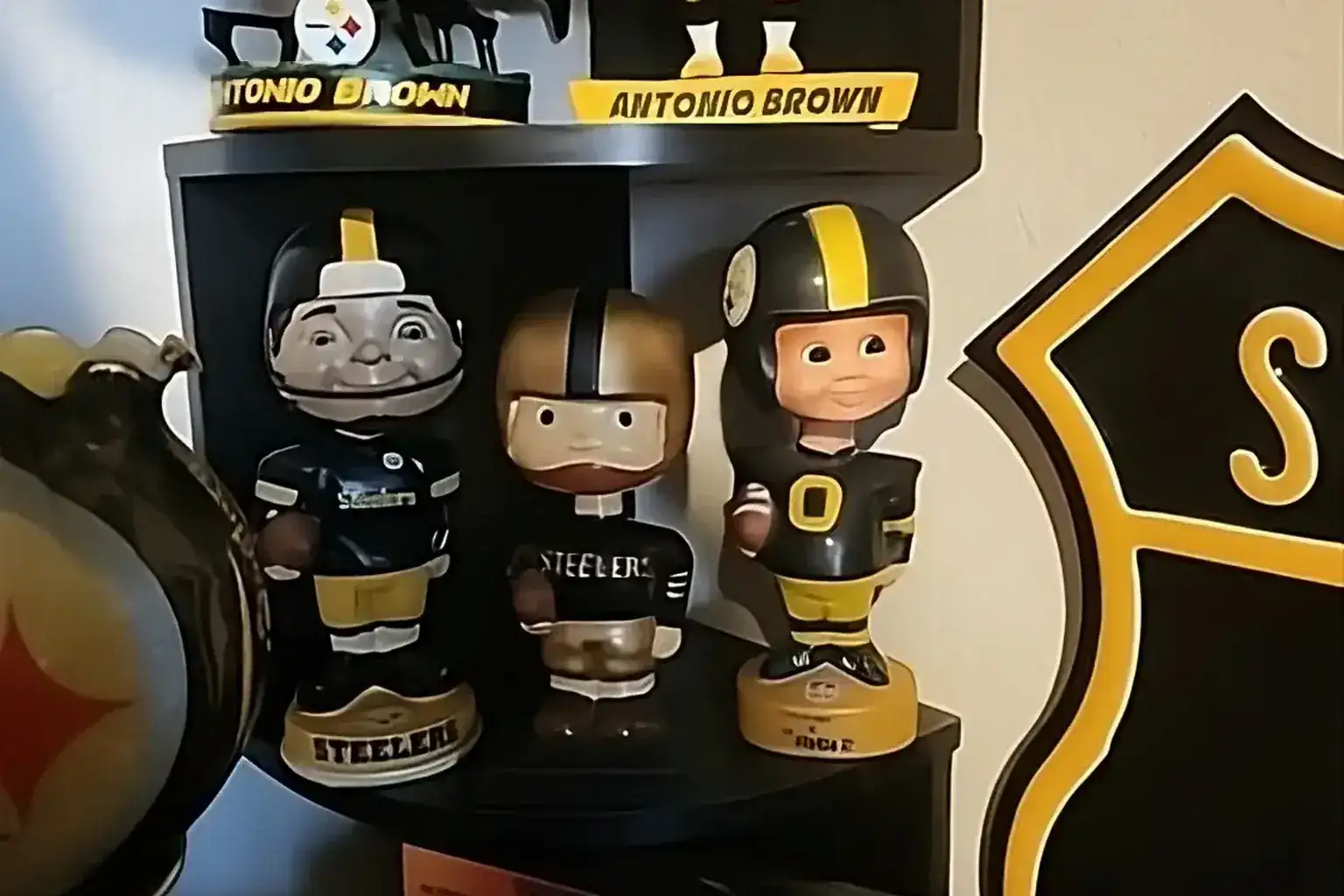
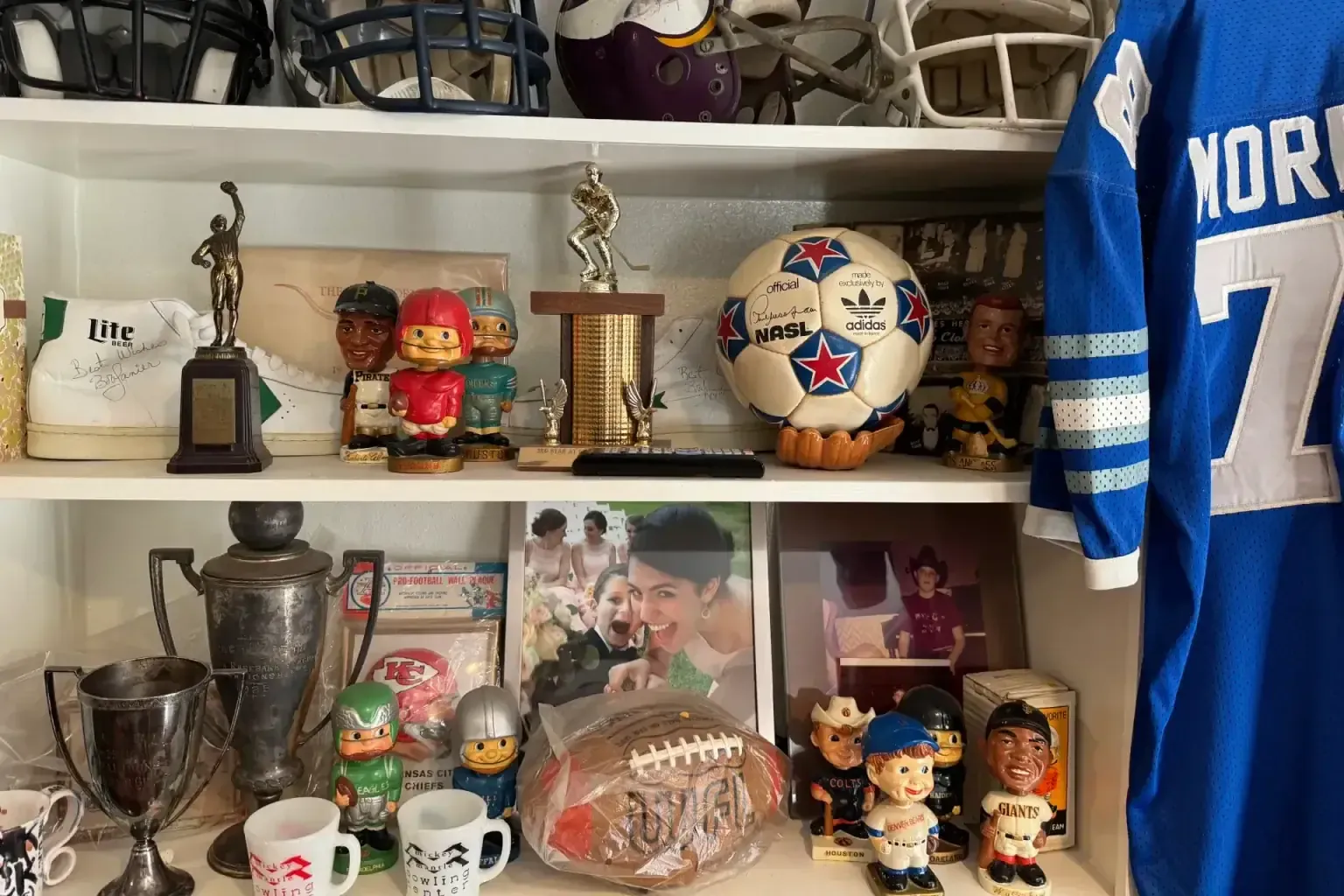
Jons Stats provides sports memorabilia appraisal services across San Antonio, TX for collectors, estates, insurance claims, and tax donations. We deliver detailed valuations that meet professional standards and hold up in court, for insurance, and with the IRS.
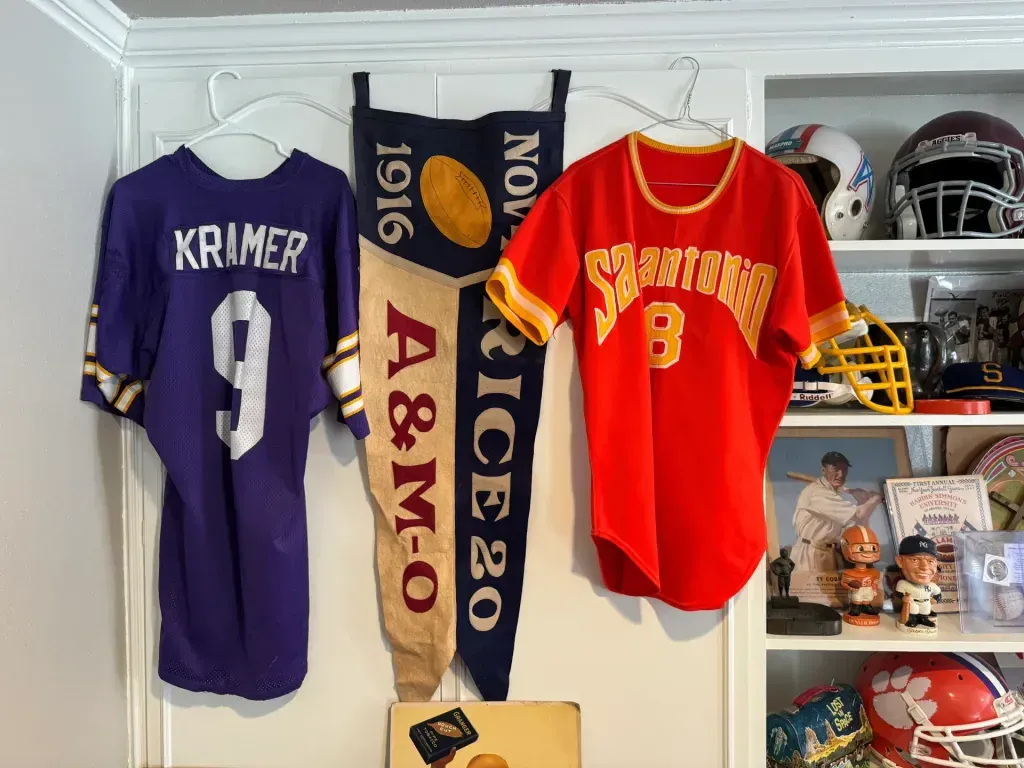
A sports memorabilia appraisal assigns a documented fair market value to your items based on condition, rarity, provenance, and current market demand. We appraise baseball cards, basketball cards, football cards, signed jerseys, game-used equipment, autographed photos, ticket stubs, and historical sports photos. Each appraisal follows USPAP standards—the Uniform Standards of Professional Appraisal Practice—so the report is recognized by insurance carriers, probate courts, and the IRS without question.
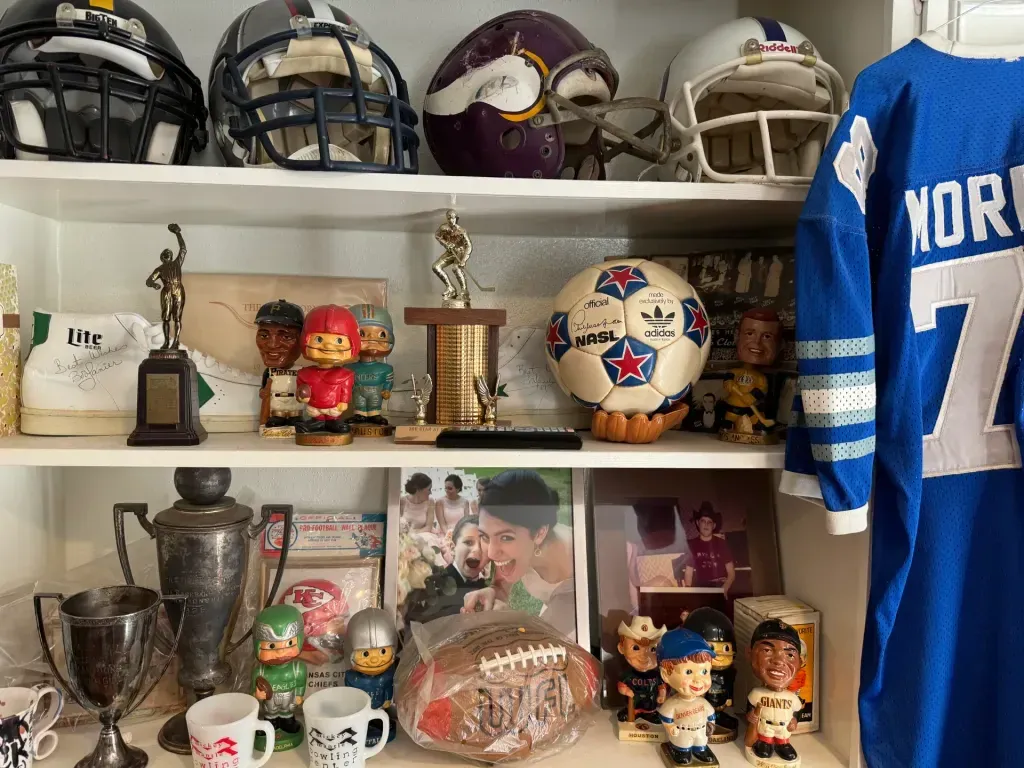
Insurance companies will not honor a claim on memorabilia unless you have a formal appraisal on file before loss occurs. We produce an insurance valuation certificate that documents each item's condition, estimated replacement cost, and the appraisal date. Without it, you are relying on homeowner's blanket coverage, which typically caps collectibles at $1,500 to $2,500 total.
For appraisals submitted with a charitable donation, the IRS requires a qualified appraisal and Form 8283 for any noncash donation valued over $5,000. We produce a letter of appraisal for donation purposes that names the donor, the recipient organization, the contribution date, a description of each item, and the appraised value. The appraiser must declare no financial interest in the transaction. This documentation audit-proofs your tax return.
Vintage sports cards drive much of the market demand we see in San Antonio. Cracker Jack cards from the 1910s–1920s, Leaf baseball cards from the 1940s, and Fleer trading cards from the 1950s–1980s are common in local estates. A baseball card grading scale runs from 1 (Poor) to 10 (Gem Mint), and the grade directly affects value. A 1952 Topps Mickey Mantle graded PSA 6 is worth roughly 10 times what the same card grades at PSA 4.
We work with Professional Sports Authenticator (PSA) grades and other recognized third-party certifications. If your card is already graded and slabbed, we verify the grade is consistent with actual condition and compare it to recent sales of the same card at the same grade. Ungraded cards require assessment of centering, corner wear, surface scratches, and ink fade. Pre-1970s issues with original gloss command premiums because age and humidity have usually stripped the finish.
Basketball card valuation follows similar logic, though the market is younger and rookie cards matter more than in baseball. Grading elevates basketball card values sharply, especially for cards from the 1980s–1990s. Football memorabilia assessment for cards is less mature than baseball, but elite quarterback and Hall of Fame rookie cards hold value well.
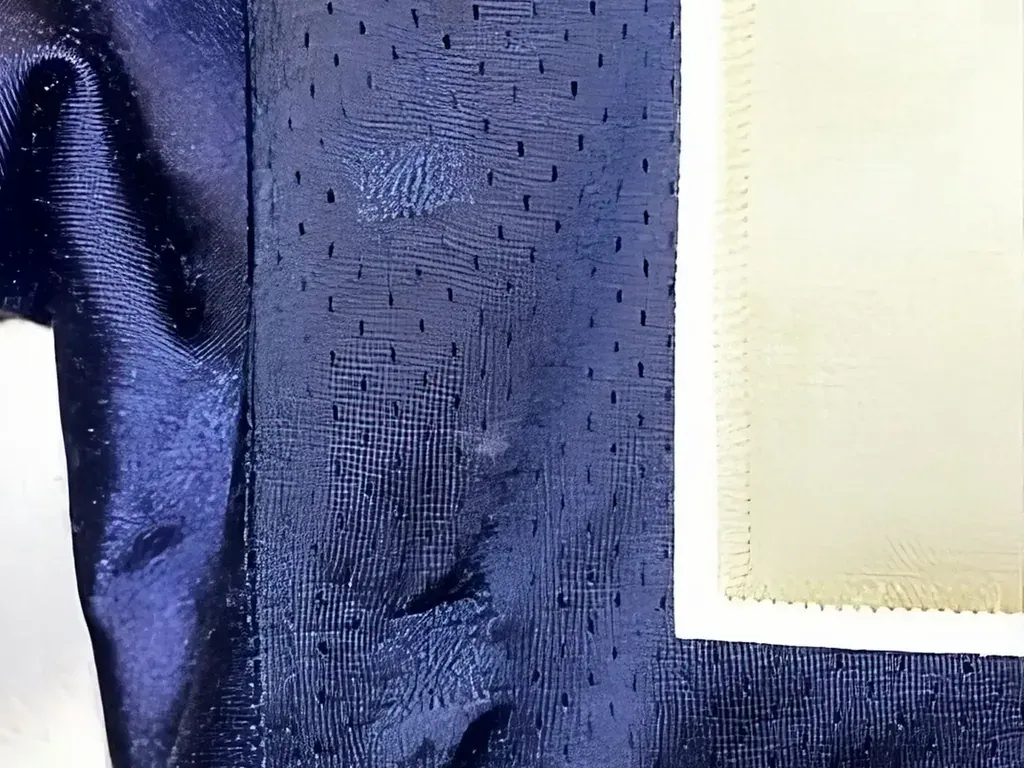
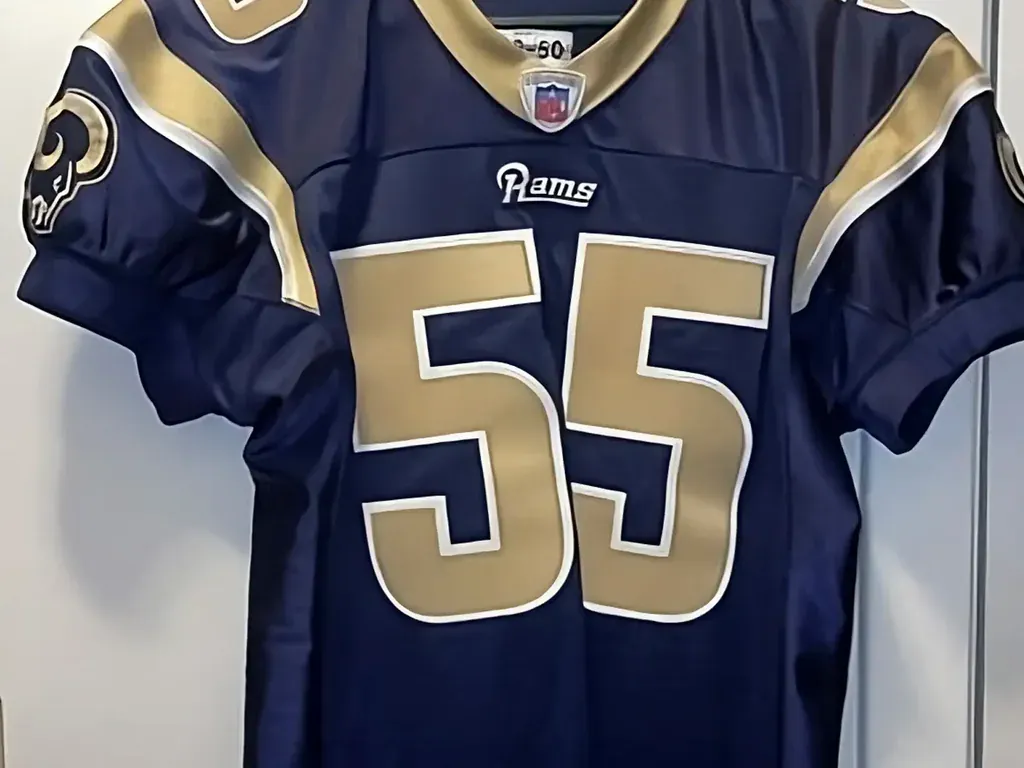
A signed jersey or autographed photo must be authenticated before it can be valued. We compare the signature's slant, pen pressure, letter spacing, and formation against known exemplars. A forged signature often shows inconsistent pressure, mechanical regularity, or ink that does not match the era. We also check for provenance: a chain of custody letter, a photo-match to a game or event, or a credible documentation trail from the original source.
Game-used equipment appraisal requires provenance verification. A game-worn jersey should have a LOA (letter of authenticity) from the team, a major auction house, or a recognized authenticator. Without it, value drops sharply because the market distrusts unprovenanced claims. Forgery red flags include mechanical regularity in the signature, reversed pen strokes, and ink chemistry inconsistent with the era.
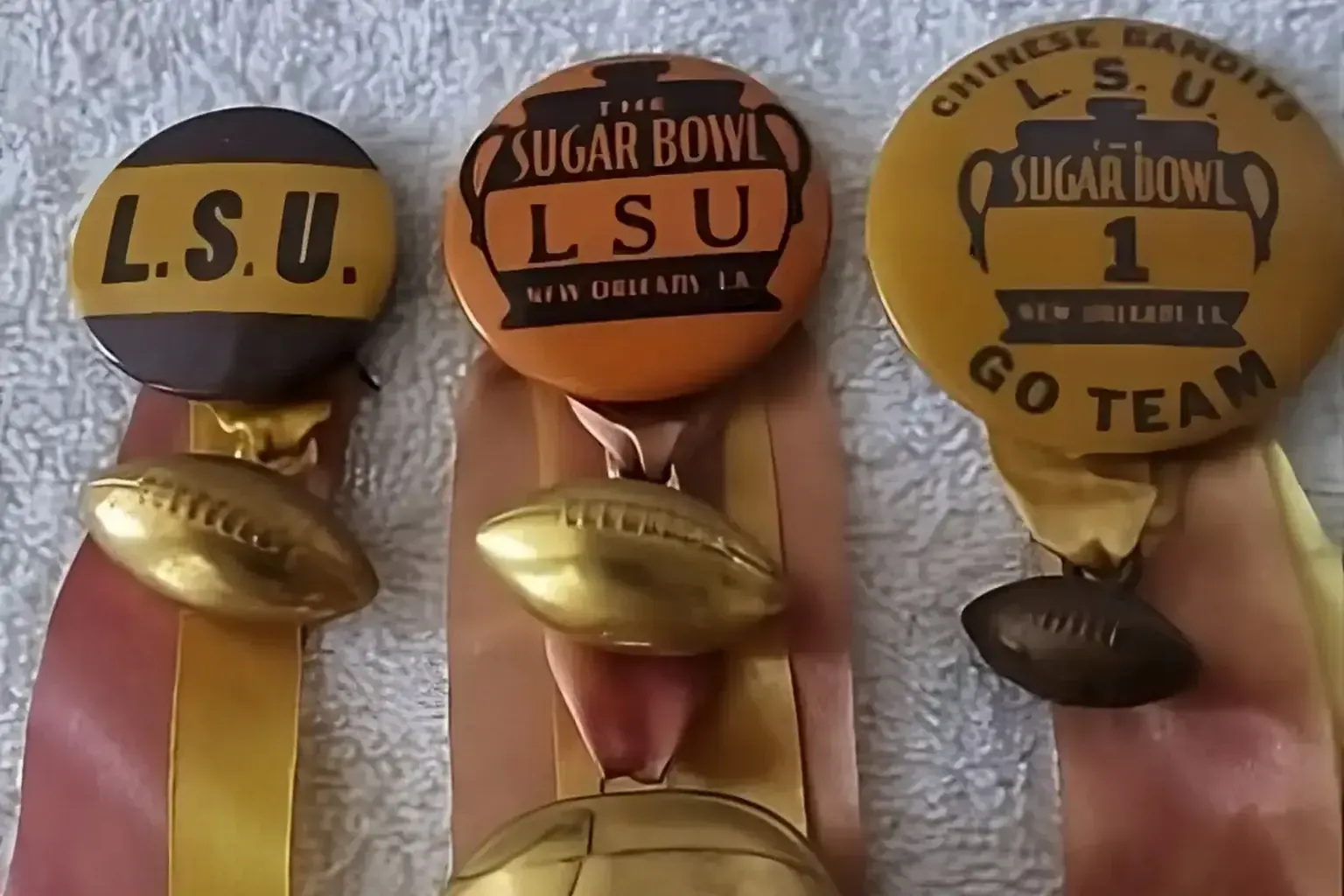
Before you bring items in, photograph each one front and back under even, natural light without flash. If graded in a slab or certified, photograph the entire slab including the label. List any known purchase dates, auction lot numbers, or existing certificates of authenticity alongside each photo.
Create an appraisal prep checklist: group items by sport and era, separate graded from raw items, and number everything if you have 50 or more pieces. This simple collection inventory documentation speeds our cataloging process and reduces errors. Do not clean, restore, or attempt repairs before appraisal. Cleaning reduces value, and washing a vintage jersey or polishing a bat can eliminate provenance and drop value by 30–50%.
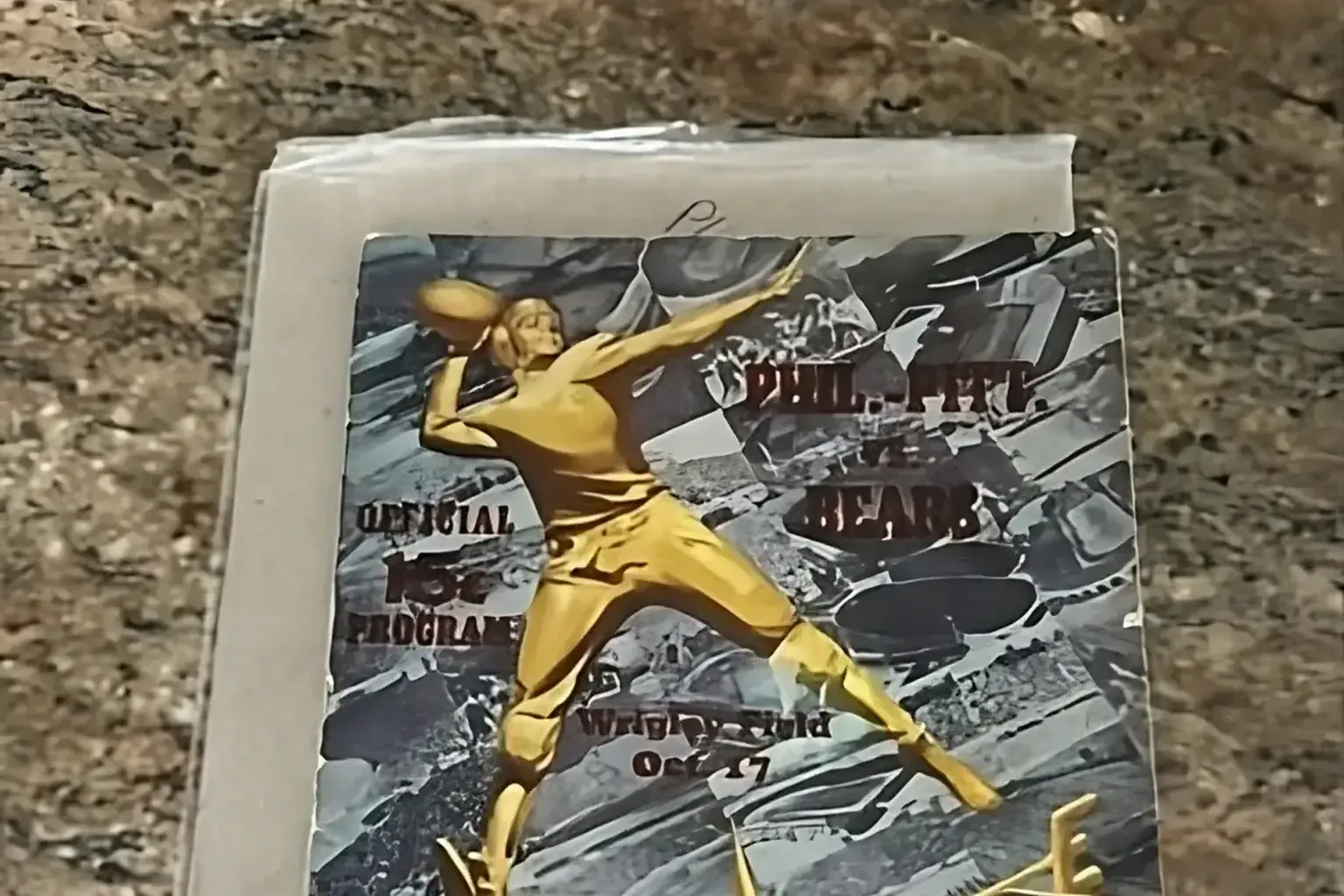
Your appraised value is not what you will net if you sell. An appraisal is a professional opinion of fair market value—the price at which a willing buyer and a willing seller would agree to transact on the appraisal date. Resale price is different because of costs and timing.
Auction house commissions typically run 15–25% of the hammer price. If your collection is appraised at $50,000 and you sell it through an auction house, you will net roughly $37,500 to $42,500 after commission. Sports memorabilia market trends show that rookie cards and Hall of Fame signatures historically outperform common-player items. Vintage 1950s–1970s memorabilia has risen steadily as baby boomers age and estates enter the market. More recent cards from the 2000s onward have been volatile, with graded high-end copies holding value better than bulk commons. We note investment category outlook in the appraisal so you understand whether your items are in a growing or softening segment of the market.
A credible appraiser holds ISA-AM certification (American Member of the International Society of Appraisers), AAA accreditation (Appraisers Association of America), or ASA certification (American Society of Appraisers). These organizations require continuing education, ethics training, and peer review. USPAP compliance is the standard courts and insurers expect.
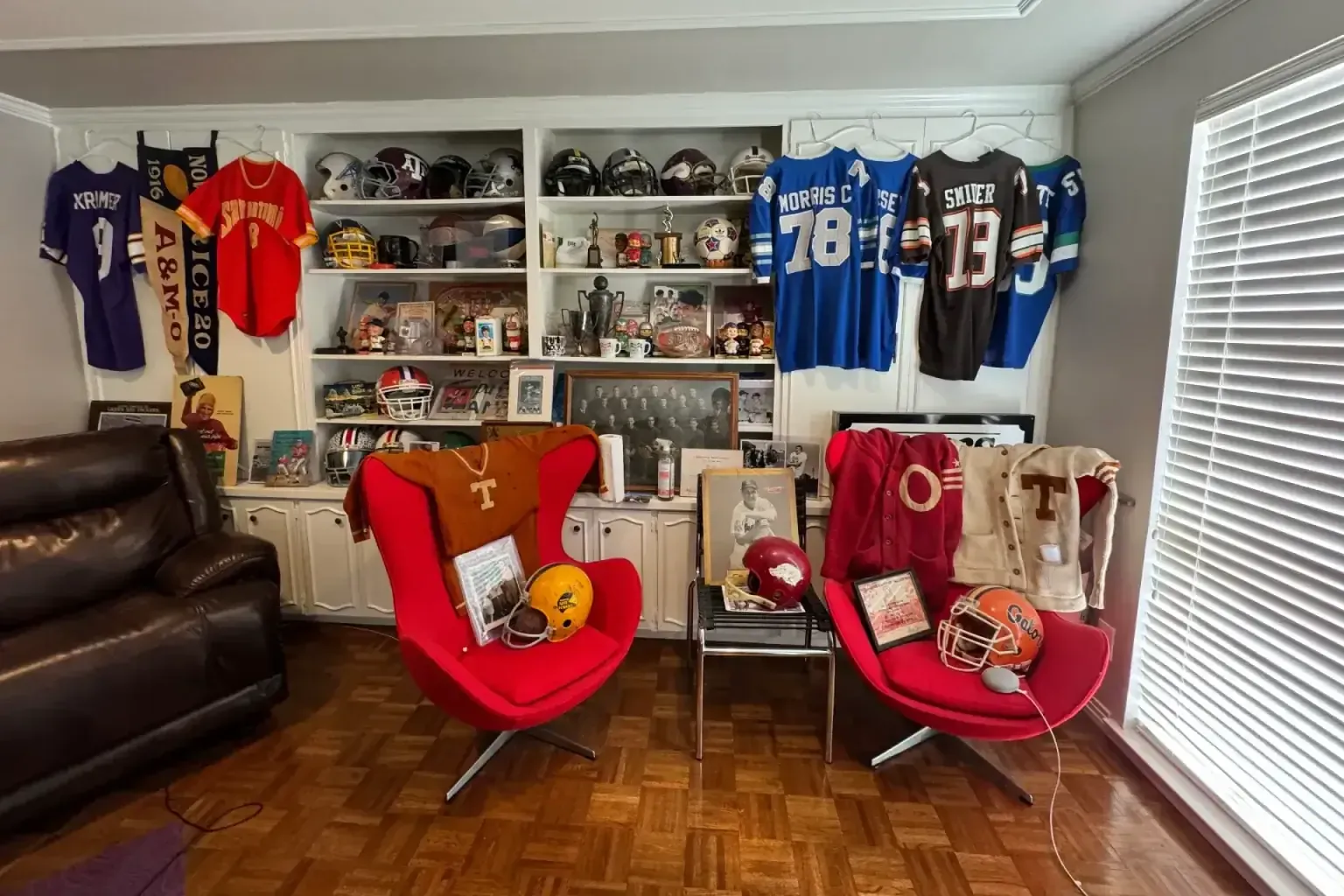
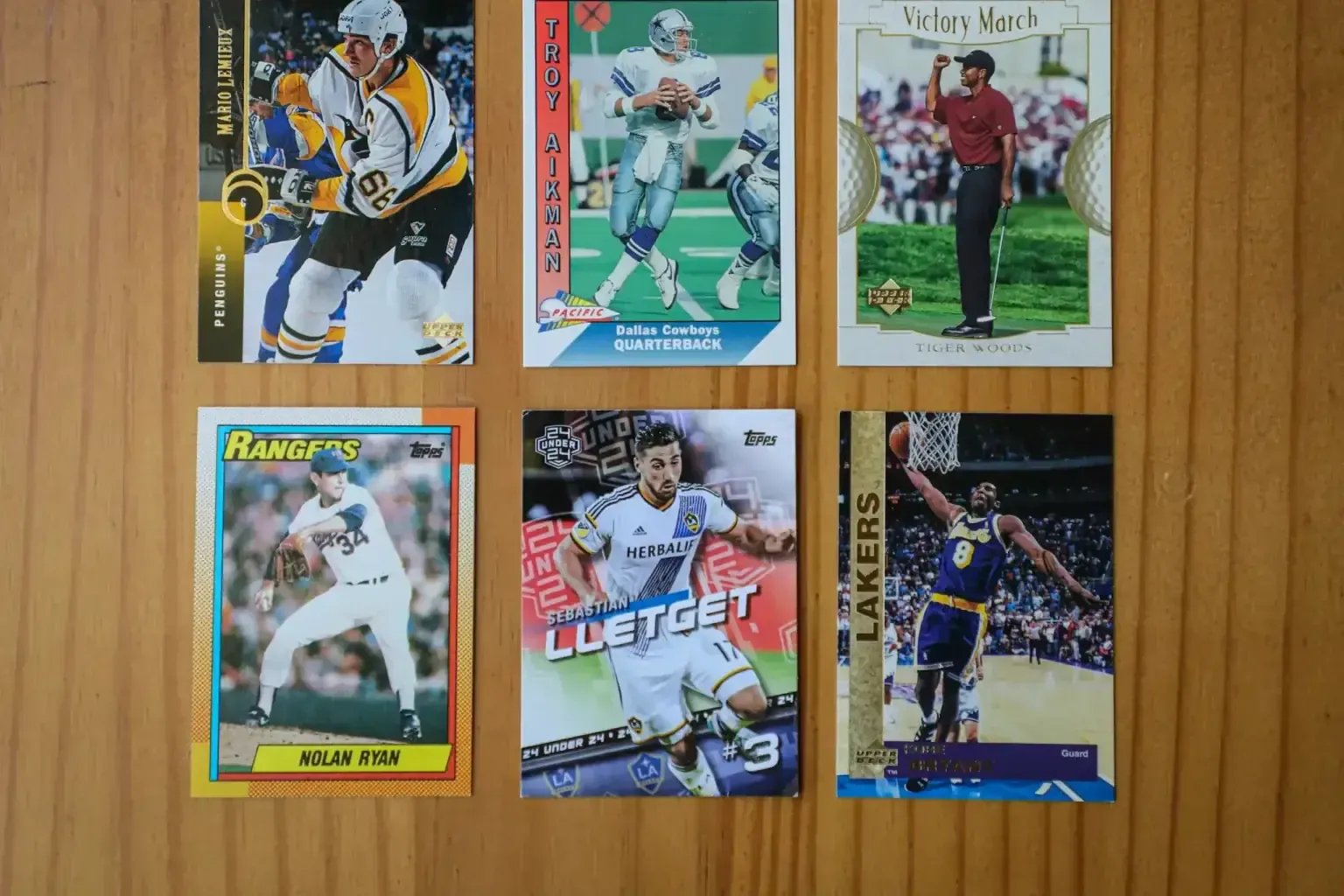
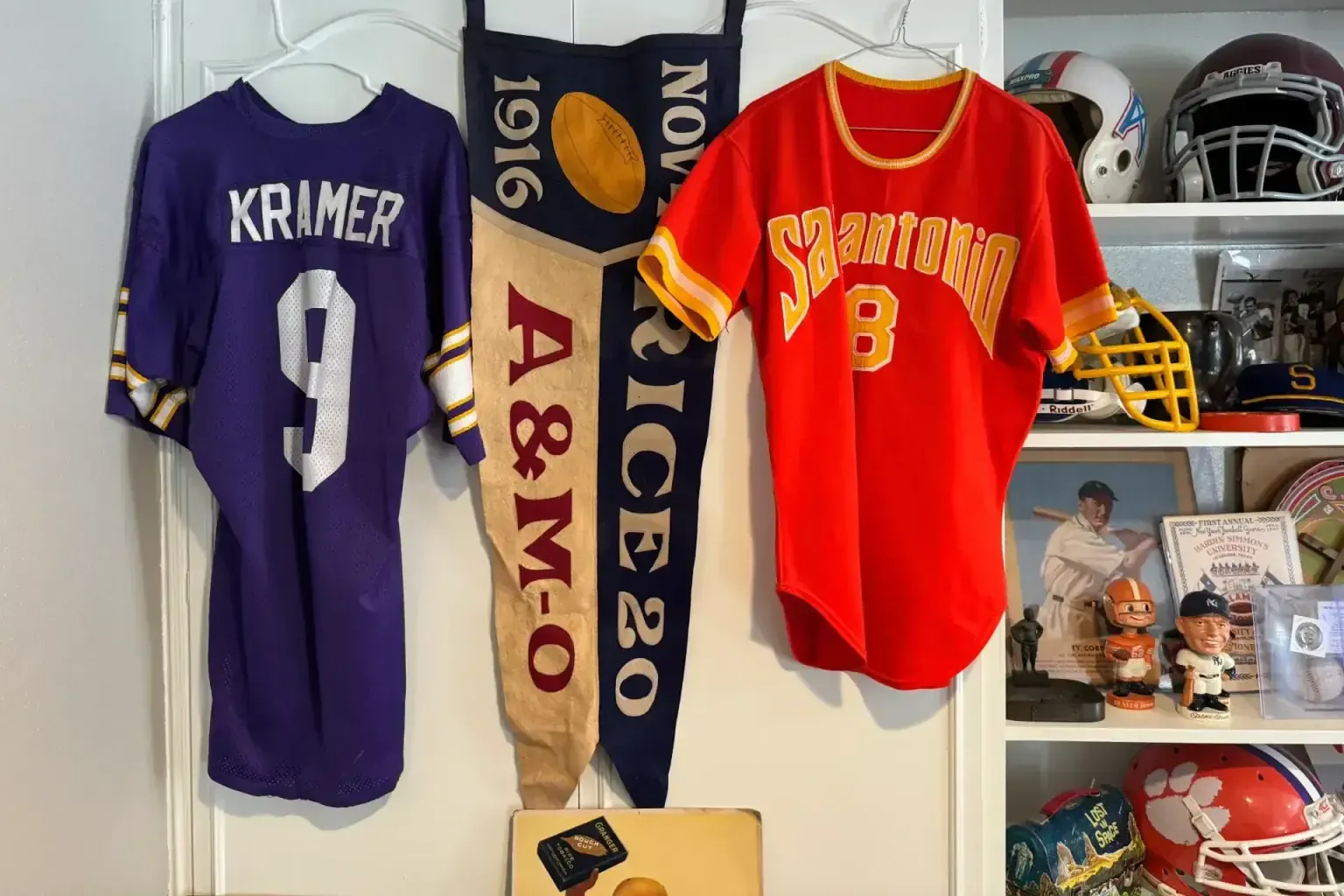
A sports memorabilia appraisal assigns a documented fair market value to your items based on condition, rarity, provenance, and current market demand.
Insurance companies will not honor a claim on memorabilia unless you have a formal appraisal on file before loss occurs.
Vintage sports cards drive much of the market demand we see in San Antonio. Cracker Jack cards from the 1910s–1920s, Leaf baseball cards from the 1940s, and Fleer trading cards from the…
A signed jersey or autographed photo must be authenticated before it can be valued. We compare the signature's slant, pen pressure, letter spacing, and formation against known exemplars.
Before you bring items in, photograph each one front and back under even, natural light without flash. If graded in a slab or certified, photograph the entire slab including the label.
Your appraised value is not what you will net if you sell. An appraisal is a professional opinion of fair market value—the price at which a willing buyer and a willing seller would agree to…
Why homeowners call us
The person who looks at what you have is the person who makes the offer and pays for it. No call centre, no consignment queue, no waiting on a decision from somewhere else.
Offers are based on recent comparable sales and the condition of the item in front of us, and we will show you both. If something is worth more elsewhere, we will say so.
Send photographs, get a quote, then post the item or arrange to meet. Nothing is committed until you accept the number.
Sellers around San Antonio can be seen in person, and anyone further out can post items in with tracking and insurance.
FAQ
Request a formal appraisal from a qualified appraiser. Bring photos and any existing certificates of authenticity or grading slabs. Online valuation tools are rough estimates only—they cannot assess condition or provenance the way a professional can. Insurance companies and the IRS will not accept an online estimate.
Appraisal cost factors include the number of items, complexity of research, turnaround timeline, and intended use. Insurance appraisals and estate evaluations are usually quoted per item or as a flat fee for a batch. Appraisal cost is typically lower than the potential loss if an unappraised collection is damaged or stolen.
Look for ISA-AM certification, AAA accreditation, or ASA certification. Verify the appraiser's membership is current and in good standing. Ask whether they follow USPAP standards. A qualified appraiser will display credentials openly and explain their appraisal methodology.
Authentication verifies that an item is genuine—that a signature is real, that equipment was actually game-used, and that no forgery occurred. Appraisal assigns a value to an authenticated item. Both are needed for signed items and game-used equipment. An unauthenticated autograph has little value.
Photographs of each item, condition notes, any existing grading slabs or certificates of authenticity, and the date you wish the appraisal to be effective. If the items are already insured or listed on your homeowner's policy, provide that documentation. We will produce the insurance valuation certificate you need to file with your carrier.
A professional grader evaluates centering, corners, edges, surface, and eye appeal on a scale of 1–10. A higher grade means fewer flaws and higher value. Vintage cards in high grades command premiums. Grading drives value dramatically—a PSA 8 copy may sell for 5–10 times what a PSA 5 copy brings.
Call 726-237-8297 or send photographs and we will come back with a number.