Selling Certificate of Authenticity Memorabilia in San Antonio
When you walk in with an autographed baseball, jersey, or photograph, we pull the Certificate of Authenticity first. That document tells us more than the signature on the item does.

Jons Stats Jon's Stats buys certificate of authenticity memorabilia across San Antonio, TX, including autographed items, sports memorabilia with COA documentation, and collectible pieces where third-party authentication affects the offer price. We evaluate the COA itself before we quote on the item—checking serial numbers, verifying authenticator reputation, and flagging red flags that separate legitimate certificates from forged ones.
When you walk in with an autographed baseball, jersey, or photograph, we pull the Certificate of Authenticity first. That document tells us more than the signature on the item does. We compare the alphanumerical serial number printed on the COA against the matching sticker affixed to the memorabilia. If they don't line up, the conversation stops there. If the authenticator is unknown or the formatting looks off, we note it and adjust the offer accordingly.
A real Certificate of Authenticity contains five core elements: the item description, the name of the authenticator or signer, the date of authentication, the authenticator's signature, and a unique serial number. That serial number appears twice—once printed on the COA document itself, and again on the holographic seal or sticker attached to the memorabilia. If either number is missing or doesn't match, authentication integrity is compromised.
Professional authentication houses use alphanumerical serial numbers formatted consistently within their system. PSA uses a different number scheme than JSA uses; Beckett's case numbers follow their own pattern. A JSA serial will never resolve in a PSA lookup, and vice versa. This consistency is actually a security feature—if someone tries to photocopy a COA or make a fake one, the serial format often doesn't match the company's real numbering convention.
Digital versus physical formats matter for resale. A digital COA scanned and emailed to you is less defensible than a physical certificate in hand, because image files are easier to manipulate. Reputable authenticators issue physical certificates because buyers expect to hold them. If a COA exists only as a PDF or image file, ask the seller for the original. If they can't produce it, treat that as a red flag.
Three names dominate sports memorabilia authentication: PSA (Professional Sports Authenticator), JSA (James Spence Authentication), and Beckett (Beckett Authentication Services). Each operates independently and uses slightly different grading criteria. PSA focuses heavily on signature formation analysis and has stricter ink-consistency standards. JSA employs a larger team of human examiners and accepts witnessed-signing documentation alongside forensic review. Beckett bridges both approaches with a tiered authentication system.
The key difference: each house issues its own serialized sticker and case number format. A sticker from PSA will say "PSA/DNA" and carry a specific hologram design. JSA uses a different seal. Beckett uses another. If the sticker design doesn't match the authenticator name on the certificate, it's a forgery.
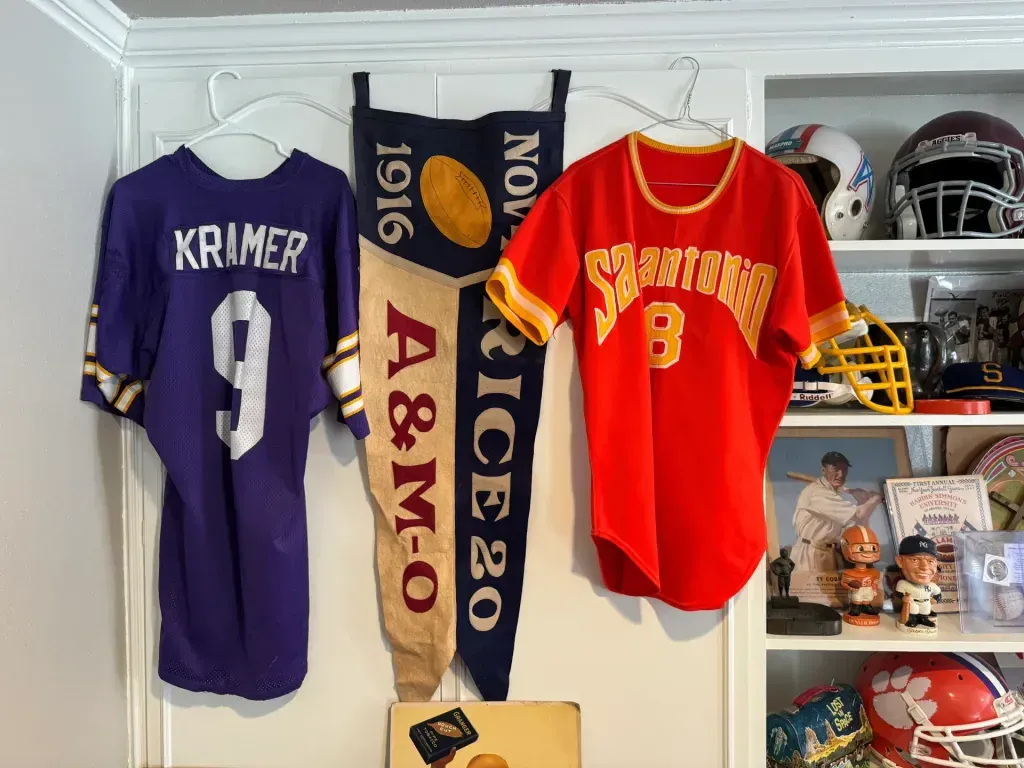
Third-party autograph authentication uses signature verification methods rooted in forensic document examination. Examiners compare letter slant, pen pressure, and stroke sequencing against known exemplars—authenticated samples of the same person's signature from the same era. A side-by-side comparison under magnification reveals inconsistencies in pen lift, loop formation, and baseline angle that a forger cannot easily replicate.
The autographed item verification process also includes provenance—where the item came from and who handled it. If an autographed baseball has a provenance gap or a suspicious chain of custody, the COA carries less credibility even if the signature itself passes forensic review.
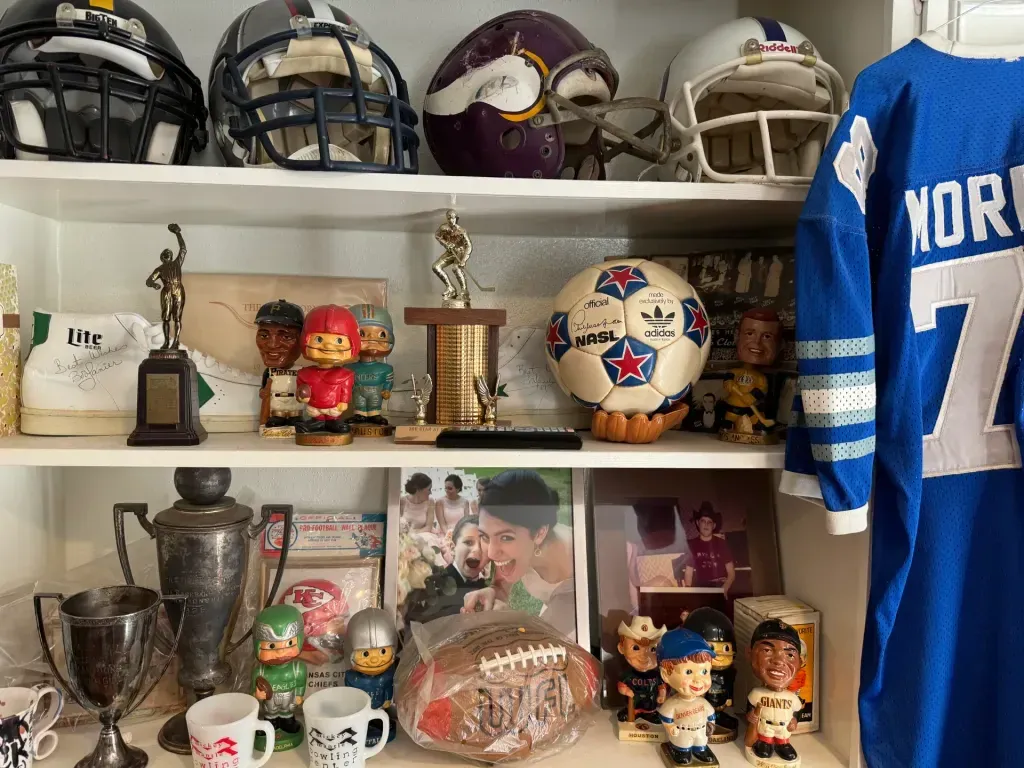
A tamper-evident hologram is designed to shear, discolor, or distort if someone attempts to peel it off the memorabilia. Legitimate holograms used by PSA, JSA, and Beckett incorporate microtext, color-shifting elements, and adhesive that bonds permanently to the item. If a holographic seal peels off cleanly or shows no damage after removal, it's either a fake or a counterfeit sticker applied after the fact.
A forged certificate often exhibits formatting inconsistencies: fonts that don't match professional printing standards, misaligned text, or typos in the authenticator name. Real Beckett certificates use a specific font and layout; a homemade version will look sloppy under close inspection. Check the signature line—if the authenticator's signature is printed rather than hand-signed, that's a red flag.
Witness authentication services pair a documented, often notarized or photographed signing session with a matching COA number. Instead of relying solely on forensic signature analysis, the authenticator certifies that they observed the signing or reviewed credible video evidence of it. This carries the highest level of authentication confidence but requires the item to be signed in the authenticator's presence.
A lifetime authenticity guarantee issued by a reputable authenticator means they'll replace or refund if the signature is later proven forged. This guarantee is only as strong as the authenticator's financial backing and reputation. PSA and JSA have the resources to honor claims; lesser-known authenticators often do not.
Before you hand over money for a signed item with a certificate, ask the seller direct questions about the authentication chain. Find out who performed the authentication—was it PSA, JSA, Beckett, or someone else entirely. Ask whether the authenticator examined the item in person or from photos. Request the specific authentication database registration number so you can verify it yourself online; a legitimate COA will have one that returns a match. If they can't produce it or the number doesn't pull up a record, walk away.
Memorabilia grading and certification goes beyond just saying "it's real." The certificate should specify the grade of the autograph itself (clarity, completeness, positioning on the item) and the condition of the underlying object. If you're buying a signed baseball, the COA should note whether the signature is in blue or black ink, whether it covers the sweet spot or the side panels, and whether the ball shows any water damage, foxing, or discoloration. Ask the seller to provide photos from the authentication report. If they only have a blurry smartphone photo and a generic certificate, that's a red flag. Fake certificate detection starts with noticing what information is actually missing.
When you walk in with an autographed baseball, jersey, or photograph, we pull the Certificate of Authenticity first. That document tells us more than the signature on the item does.
A real Certificate of Authenticity contains five core elements: the item description, the name of the authenticator or signer, the date of authentication, the authenticator's signature, and…
Three names dominate sports memorabilia authentication: PSA (Professional Sports Authenticator), JSA (James Spence Authentication), and Beckett (Beckett Authentication Services).
Third-party autograph authentication uses signature verification methods rooted in forensic document examination.
A tamper-evident hologram is designed to shear, discolor, or distort if someone attempts to peel it off the memorabilia.
A forged certificate often exhibits formatting inconsistencies: fonts that don't match professional printing standards, misaligned text, or typos in the authenticator name.
Why homeowners call us
The person who looks at what you have is the person who makes the offer and pays for it. No call centre, no consignment queue, no waiting on a decision from somewhere else.
Offers are based on recent comparable sales and the condition of the item in front of us, and we will show you both. If something is worth more elsewhere, we will say so.
Send photographs, get a quote, then post the item or arrange to meet. Nothing is committed until you accept the number.
Sellers around San Antonio can be seen in person, and anyone further out can post items in with tracking and insurance.
FAQ
A certificate of authenticity is a document issued by a professional authenticator verifying that an autographed or collectible item is genuine. It includes a unique serial number, authenticator signature, item description, and authentication date. Buyers trust COAs because they shift liability to the authenticator and prove the item survived forensic review. Items with COAs from recognized third-party authenticators sell faster and command higher resale prices than unsigned items.
Check for five elements: clear item description, authenticator name and signature, authentication date, unique serial number on both the certificate and attached sticker, and a tamper-evident hologram. Cross-reference the serial in the authenticator's online database if available. Examine the hologram under light—fake ones lack depth and microtext. Look for printing quality issues, font inconsistencies, and typos. Real PSA, JSA, and Beckett certificates follow strict formatting standards that counterfeiters struggle to replicate accurately.
PSA (Professional Sports Authenticator) emphasizes ink analysis and signature formation; JSA (James Spence Authentication) uses a larger team of human examiners and accepts witnessed signings; Beckett offers a tiered system combining both. PSA and JSA generally command higher resale premiums. Each uses a different sticker design and serial number format, making cross-verification impossible. Choose based on the authenticator's reputation in your memorabilia category—card collectors favor PSA; autograph dealers often prefer JSA.
Scan the QR code on the hologram with a smartphone; it directs to the authenticator's database showing the exact item authenticated, date, and conclusion. Alternatively, visit the authenticator's website and enter the alphanumerical serial number. A valid lookup returns your item's entry. If the QR is broken, doesn't resolve, or returns a generic response, the certificate is likely fake. Always verify during purchase—a working lookup confirms the certificate was issued and hasn't been altered.
Yes. Counterfeiters create fake COAs by photocopying real templates, printing homemade versions, or stealing legitimate serial numbers. Watch for mismatched serial numbers between the document and sticker, fake holograms that lack depth and color shift, typos in authenticator names, poor printing quality, and printed rather than hand-signed authenticator signatures. If the sticker peels off cleanly without damage, it's a fake. Always cross-check the serial number in the authenticator's public database before buying.
We do, but offers are significantly lower. Items without a Certificate of Authenticity carry resale risk because buyers have no third-party verification. We'll evaluate the signature and item condition, but pricing reflects the added uncertainty and cost of re-authentication. If you're planning to sell, investing in a professional COA from PSA, JSA, or Beckett often increases the item's value enough to offset authentication fees. Bring the item in and we'll advise whether a COA investment makes sense for your piece.
Call 726-237-8297 or send photographs and we will come back with a number.