Sell Vintage Sports Programs For Top Dollar
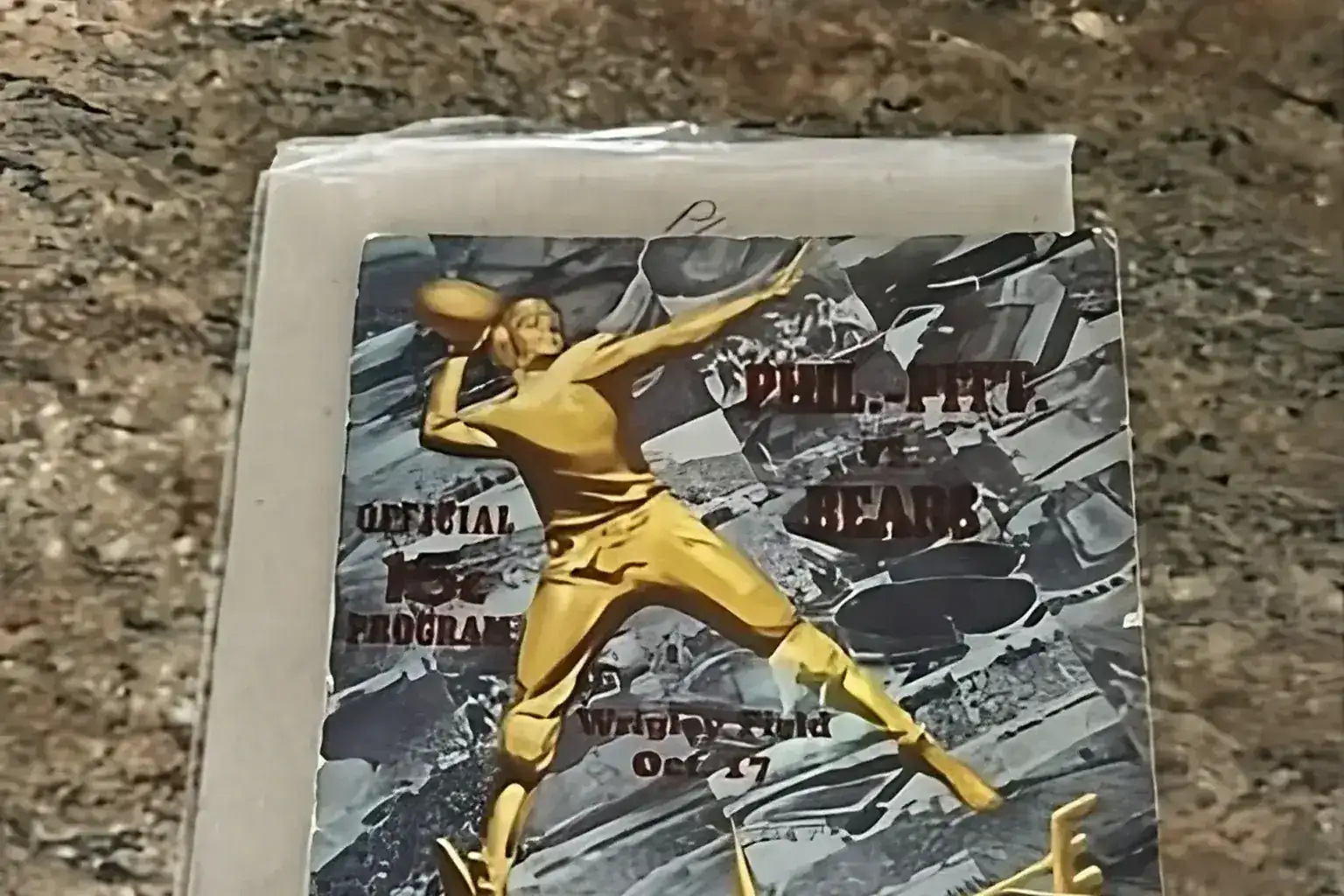
Vintage sports programs from the 1920s through the 1950s command strong prices because few survive in readable condition.
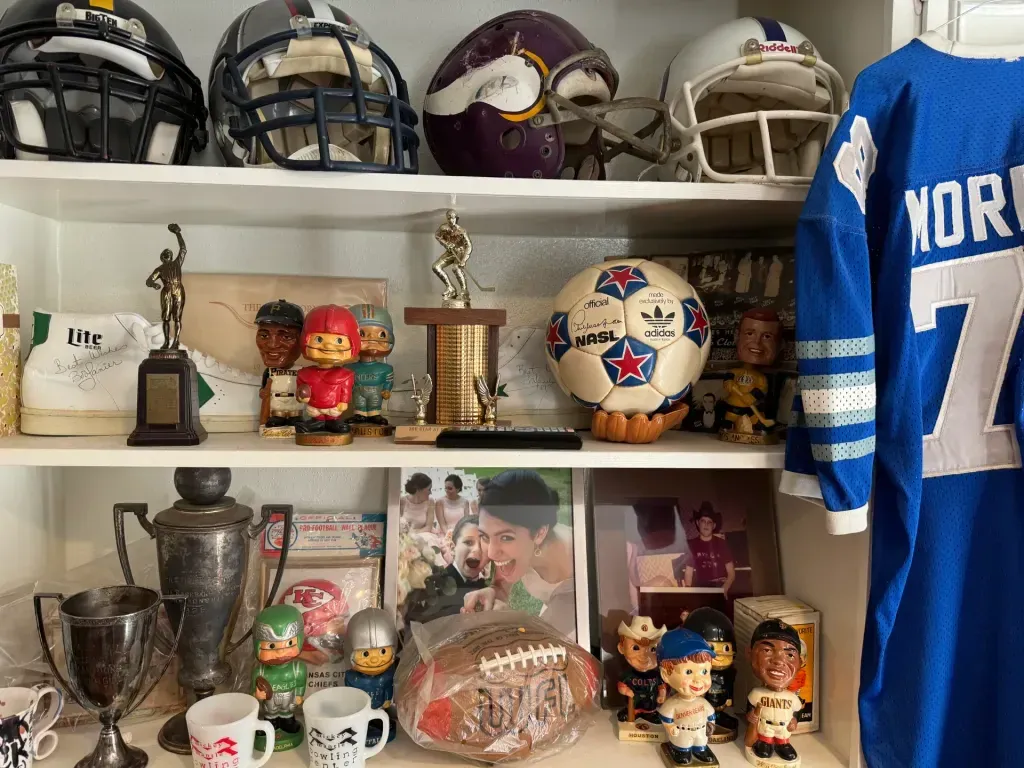
Jons Stats handles sell vintage sports programs for homeowners and collectors in San Antonio, TX. Jons Stats buys vintage sports programs directly and pays cash on the spot across San Antonio, TX, handling everything from single rare programs to entire collections. We appraise collections in person, inspect items on-site, and close deals the same day—whether you have baseball programs from the 1940s, World Series programs, Super Bowl programs, or an all-star game program collection.
Vintage sports programs from the 1920s through the 1950s command strong prices because few survive in readable condition. The paper yellows, spines crack, and centerfolds separate from the binding. Programs from the 1960s-1980s era hold steady collector interest, especially those tied to championship runs or iconic players. Modern programs printed after 1990 typically sell lower unless they document a historically significant event or come from a rare variant print run.
Bring your programs to our location and we walk you through the appraisal on the spot. Bring any documentation—a receipt from an estate sale, a family letter explaining when the collection was purchased, or photos of how you found it. Provenance protects rare items against authentication doubt and can support a higher grade.
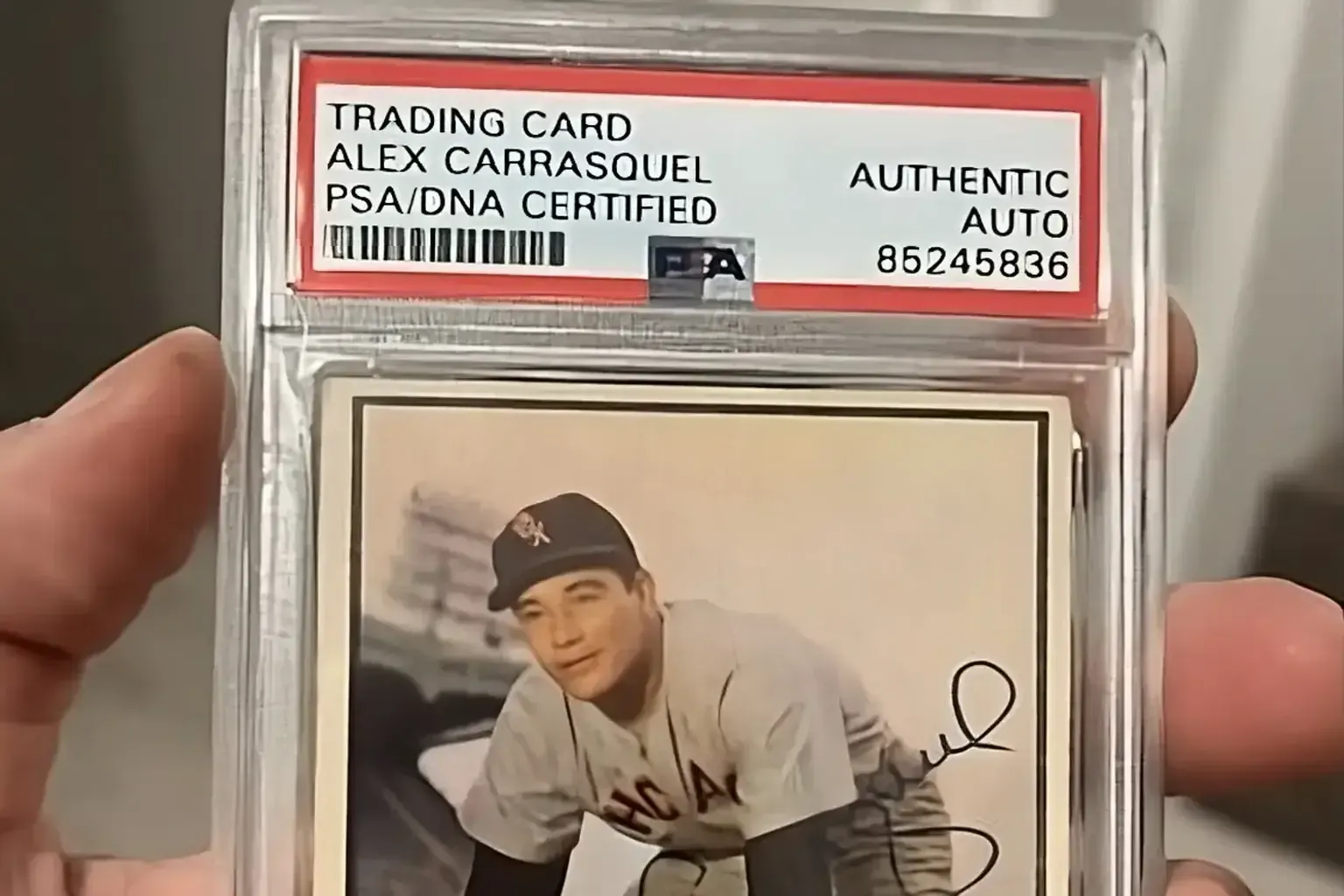
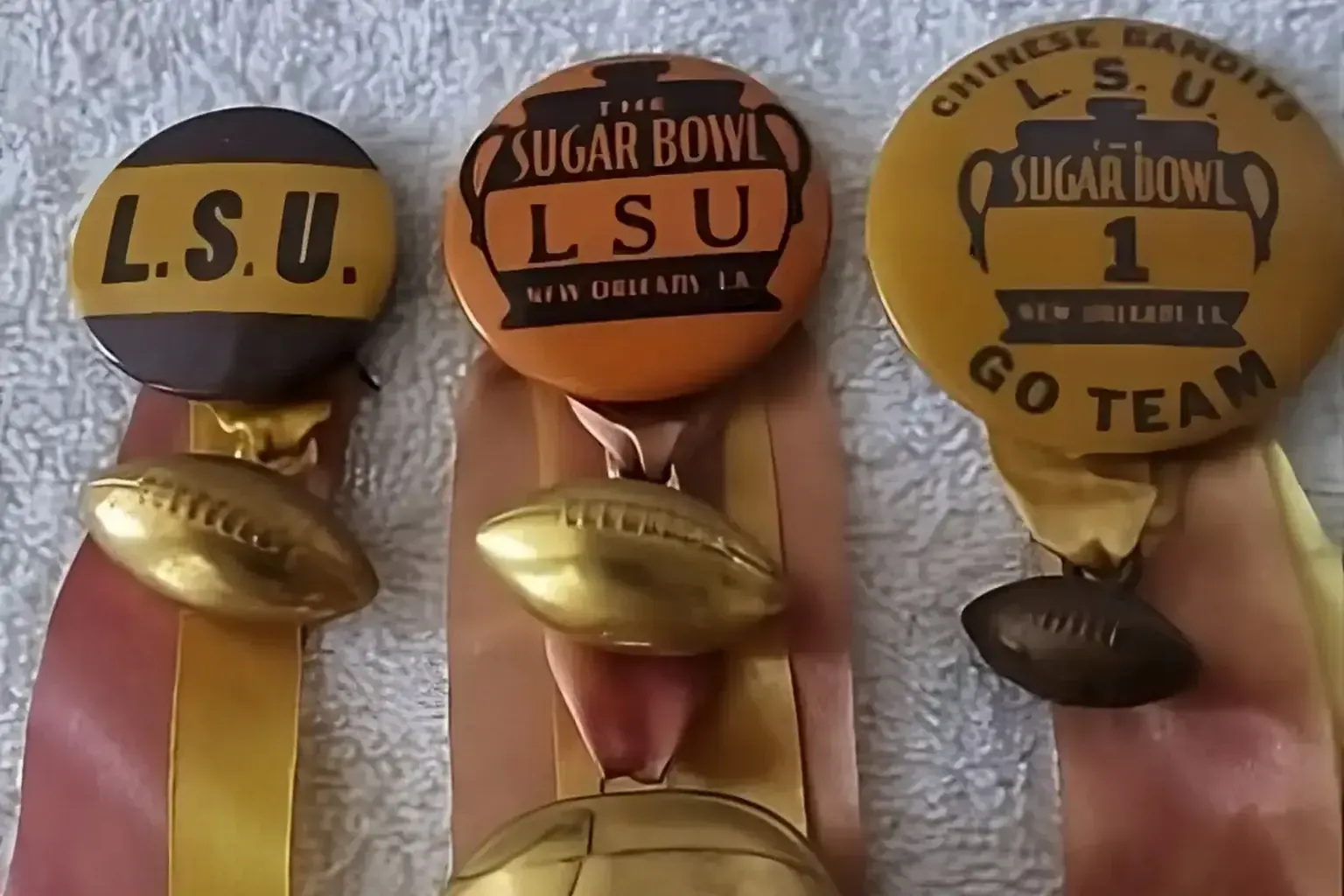
Condition grading for vintage sports programs follows standards similar to sports card grading and trading card authentication. A mint program shows no wear, has a tight spine, bright pages, and no stains. A near-mint program has light wear and a single light crease. An excellent program has minor creasing and light page yellowing. A very good program shows heavy creasing, some corner wear, and visible aging.
Verify original print stock by checking the newsprint weight and texture. Original 1930s-1950s programs used thinner, grainier newsprint than reproductions printed on modern lighter stock. Run your thumb across a suspect program's interior pages—original stock feels slightly rough and uneven.
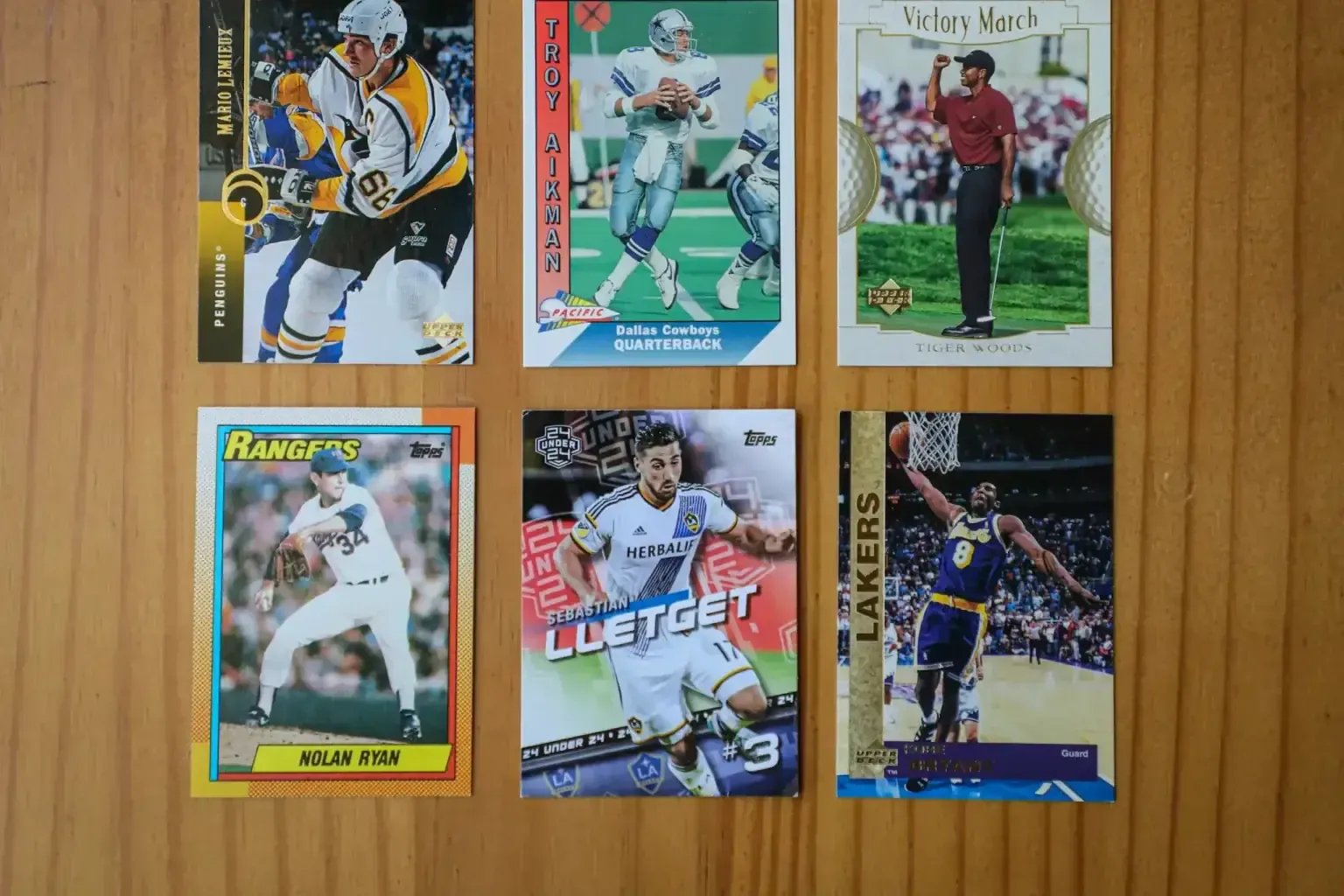
We purchase Topps cards, Bowman cards, Goudey cards, and Leaf cards alongside programs in a single transaction. Graded slabs from PSA and SGC are accepted at face grade with no re-grading fee—your SGC 8 stays an 8 in our offer. Raw cards are assessed at current market based on centering, corner wear, and surface quality.

Consignment selling appeals to collectors holding rare, high-grade single programs or a tight, focused collection. You receive 80-90% of the final sale price; we hold the inventory, photograph and list items, field inquiries, and handle shipping. A 60-90 day consignment cycle is standard. A rare 1950 World Series program in excellent condition might sit for 45 days before the right buyer emerges, but consignment avoids the risk that you underpriced a specialist collectible.
Estate sales and family collections are common sources of vintage programs. Regional program collecting trends show that local team programs from defunct minor league clubs and city championship programs command premiums in their home region, then decline in appeal 50 miles away. A San Antonio-area minor league program from the 1950s-1970s has collectors regionally but limited national interest.
Photographing and listing programs with clear descriptions increases your reach. Include era, team, condition assessment, and price. Auction house sports collectibles attract serious bidders willing to wait for the right piece. Sports card show selling reaches active collectors in person—a table at a regional card show lets you handle offers and negotiate on the spot. Online platforms require shipping experience, return policies, and dispute handling, but often realize higher per-item prices for rare pieces.
Payment options include check by mail, wire transfer, or cash for local in-person deals. Check payments clear within 3-5 business days. Wire transfer settles same-day. Cash is immediate but only available at our location.
Vintage sports programs and trading cards occupy different corners of the collectibles market but often move together in an estate or collection. A World Series program from 1960 holds value through rarity and condition, while a rookie card of a Hall of Famer from that same era may appreciate faster because player performance and career longevity push demand. Programs versus cards investment value differs because programs are primarily visual collectibles tied to a specific game or event, while cards represent individual players whose fame drives value.
Era-based pricing strategy recognizes that 1950s cards command different price floors than 1980s cards—the older the card, the fewer survived in high grade, and survivors are worth more. A 1970s program might be worth 60 to 200 dollars depending on which team and event; a 1970s rookie card of the same era could be worth anywhere from 5 dollars to 5,000, depending entirely on which player. When building inventory in San Antonio, treat programs and cards as separate valuations but sell them as a collection—buyers often want both, and bundling increases your total per transaction.
Unopened box sports cards command premiums that single cards do not, because the contents are unknown and collectors pay for the sealed status itself; programs cannot match that premium structure, so your pricing strategy shifts depending on what you're selling. DIY card selling on social media works best when you photograph cards flat against a neutral background with natural light, the same way you'd photograph programs. Post the card name, player, year, and grade in your caption, along with asking price. Online marketplaces attract national bidders paying premium shipping, while local buyers prefer to inspect high-value items before purchasing. Never mix authenticated graded cards with raw cards in a single lot; separate them by grade and player era, or you'll leave money on the table when a serious collector bids.
Vintage sports programs from the 1920s through the 1950s command strong prices because few survive in readable condition.
Bring your programs to our location and we walk you through the appraisal on the spot. Bring any documentation—a receipt from an estate sale, a family letter explaining when the collection…
Condition grading for vintage sports programs follows standards similar to sports card grading and trading card authentication.
Verify original print stock by checking the newsprint weight and texture. Original 1930s-1950s programs used thinner, grainier newsprint than reproductions printed on modern lighter stock.
We purchase Topps cards, Bowman cards, Goudey cards, and Leaf cards alongside programs in a single transaction.
Consignment selling appeals to collectors holding rare, high-grade single programs or a tight, focused collection.
Why homeowners call us
The person who looks at what you have is the person who makes the offer and pays for it. No call centre, no consignment queue, no waiting on a decision from somewhere else.
Offers are based on recent comparable sales and the condition of the item in front of us, and we will show you both. If something is worth more elsewhere, we will say so.
Send photographs, get a quote, then post the item or arrange to meet. Nothing is committed until you accept the number.
Sellers around San Antonio can be seen in person, and anyone further out can post items in with tracking and insurance.
FAQ
Direct sale to a local dealer like Jons Stats pays fastest and requires no ongoing effort—you get an offer the same day and cash shortly after. Consignment sells rare high-grade pieces for higher per-item money but takes 60-90 days. Sports card show selling or online listing reaches broad audiences but demands time managing photos, shipping, and returns. For most collectors, direct bulk sale prioritizes speed and certainty.
Common modern programs (post-1990) sell 10-40 dollars. 1960s-1980s programs range 25-200 dollars depending on team, event, and condition. Scarce 1930s-1950s programs range 75-400+ dollars. Rare World Series programs, Super Bowl programs, or all-star game programs from championship years can reach 500-1500+ dollars in excellent condition. Condition grading, rarity, and regional demand are primary drivers. Request an appraisal for an exact offer.
Era, team, event significance, and condition determine value. A 1927 World Series program in very good condition outprices a 1970 regular-season program in mint condition because scarcity and historical weight matter more than condition alone. Regional collecting trends also apply—a local defunct minor league program holds premium value regionally. We cross-reference completed auction sales, dealer inventory, and collector demand to set competitive prices.
Yes. Use insured shipping with tracking in padded rigid mailers to prevent spine creasing. Include a packing slip listing each item and current condition. We receive, photograph, and assess within 48 hours, then provide a written offer within 24 hours. If you accept, payment ships immediately. If you decline, we return the programs insured at our expense.
Check by mail, wire transfer, and cash for in-person local deals are all available. Check clears within 3-5 business days. Wire transfer settles same-day. Cash is immediate at our location. Choose based on your timing needs and security preference.
Bulk sale pays immediately but at 50-70% of conservative market value and suits volume and speed. Consignment sells rare, high-grade pieces for higher per-item money (80-90% of final sale price) but requires 60-90 days of waiting. A mixed collection benefits from splitting: consign the rare ones, sell the bulk lot directly for quick cash.
Call 726-237-8297 or send photographs and we will come back with a number.