
How to Identify Sports Memorabilia in Good Condition: A Collector’s Guide
· updated
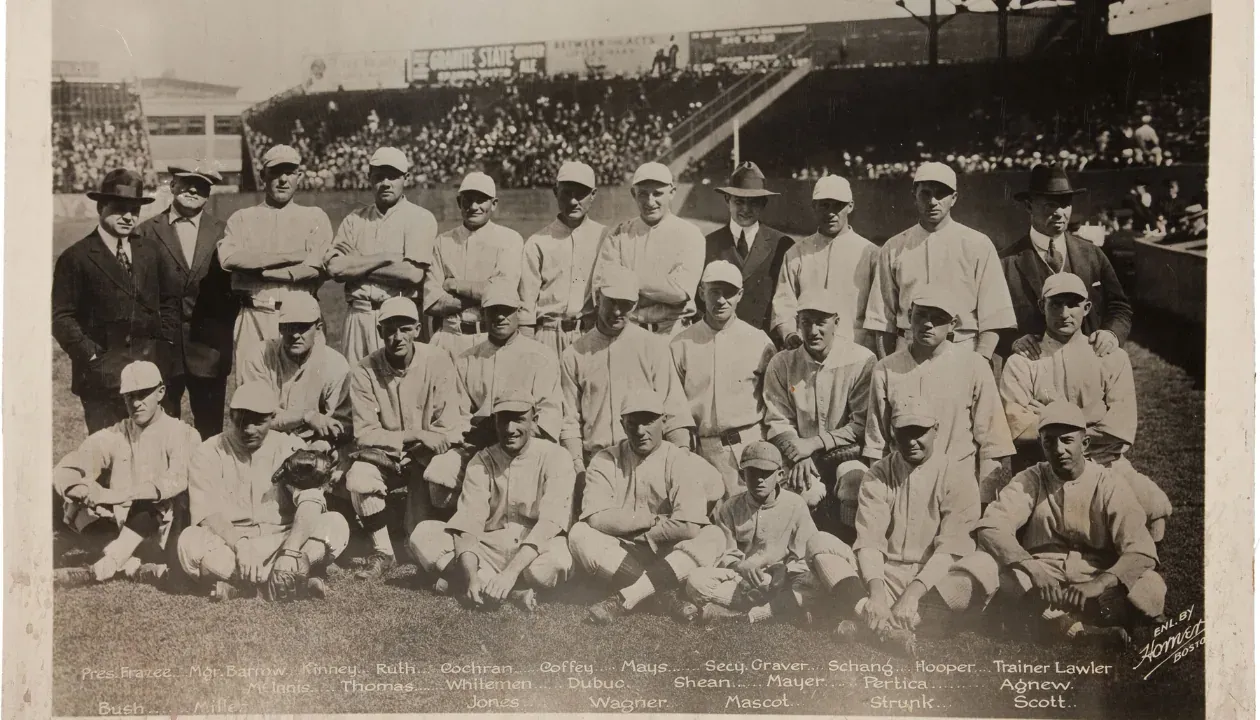
Sports memorabilia can be a treasure trove for collectors and fans alike, but not all items are created equal. Understanding how to identify pieces in good condition is crucial for ensuring your investment retains its value.
Whether it’s a signed jersey or a vintage trading card, the condition of these artifacts plays a significant role in their worth.
When assessing memorabilia, you’ll want to look for signs of wear, fading, or damage. Items that are well-preserved and have maintained their original state attract collectors and can command higher prices.
In this article, you’ll discover key factors to consider when evaluating sports memorabilia, helping you make informed decisions and build a valuable collection.
Understanding Sports Memorabilia
Understanding sports memorabilia requires knowledge of various key aspects, including rarity, authenticity, and condition. Each factor significantly impacts an item’s value, and collectors benefit from recognizing these elements.
-
Rarity: Limited edition items or artifacts tied to important sporting events often command higher prices. For instance, jerseys worn during championship games or autographed souvenirs from Hall of Fame athletes tend to be more coveted.
-
Authenticity: Documentation and certification from established authorities are essential. Items verified by professional authentication companies, or endorsed by official team representatives, maintain a higher market demand. Counterfeit items can drastically decrease value, making authenticity crucial.
-
Condition: The state of preservation influences worth. Memorabilia in excellent condition, free from damage or wear, attracts collectors more than items that show signs of extensive use. Regular assessments to ensure proper storage help maintain integrity.
-
Market Trends: Awareness of current market trends aids valuations. Keep track of which items are trending or experiencing increased interest. Certain sports or athletes may generate spikes in demand, affecting the overall value of related memorabilia.
-
Sentimental Value: Personal connections can enhance perceived worth. An item associated with a favorite player or a memorable game can transcend monetary value, making it invaluable to collectors despite its market price.
By understanding these aspects, you enhance your ability to identify sports memorabilia in good condition and make informed purchasing or selling decisions.
Importance of Condition in Sports Memorabilia
Evaluating the condition of sports memorabilia is vital for collectors and fans. Well-preserved items can significantly impact value and desirability.
How Condition Affects Value
Condition directly influences the market value of sports memorabilia. Items in pristine condition fetch higher prices compared to those with visible wear and tear.
For instance, a signed jersey free of fading is often valued more than one showing signs of deterioration. Collectors prioritize original state items, as they rarely accept altered or restored pieces.
Thus, maintaining the condition preserves both worth and appeal.
Recognizing Key Indicators of Condition
You can identify the condition of memorabilia by examining key indicators. Look for the following:
-
Autograph Quality: Legible, vibrant signatures signify good condition; fading can detract from value.
-
Physical Integrity: Items should be free from creases, tears, and stains. Pristine equipment or unopened boxes of trading cards commands premium prices.
-
Material Condition: Check for discoloration or degradation of materials, as these affect desirability. High-grade items maintain their original sheen and texture.
-
Documentation Integrity: Authentication papers or provenance details should be intact and undamaged. Missing documentation reduces credibility and value.
By focusing on these indicators, you can accurately assess and select high-quality sports memorabilia for your collection.
Techniques for Identifying Authenticity
Identifying the authenticity of sports memorabilia requires a methodical approach. You can use various techniques to ensure items are genuine and in good condition.
Researching the Item’s Background
Research the item’s provenance and history. Investigate the specific athlete or event linked to the piece, noting any notable milestones associated with it.
Check reliable sources such as auction houses, reputable dealers, or authentication companies for documented histories. Seek out previous sales or listings that indicate the item’s condition and authenticity.
Collectors often reference databases or online resources for known authentic examples to establish a comparison.
Inspecting Signatures and Markings
Examine signatures and markings closely. Look for distinctive characteristics unique to the signer, such as loops, curves, and angles. Analyze the size, shape, and pressure of the letters, as well as the overall flow of the signature. Verify that signatures align with known authentic examples.
Identify any signs of tampering or alterations, such as eraser marks or whiteouts. A genuine inscription remains consistent with the era and the writing instrument used, which can indicate authenticity.
Utilizing Technology for Verification
Utilize advanced technologies for in-depth analysis. Implement ultraviolet light to reveal discrepancies in ink and spot signs of forgery or alterations. Use infrared analysis to detect variations in ink composition, which may indicate multiple inks used in a signature.
Apply chemical testing to assess the ink’s chemical makeup, comparing it to samples from the same time period. These technologies enhance the likelihood of verifying authenticity and confirming the item’s overall condition.
Tips for Collectors
Understanding the best practices for acquiring and maintaining sports memorabilia significantly impacts your collection’s value. Focus on the following strategies to ensure your items remain in optimal condition.
Best Practices When Buying
-
Verify Authenticity: Always check for authentication certificates or holograms from reputable sources. Authentic items hold greater value and market desirability.
-
Inspect Physical Condition: Examine the item closely for any signs of damage, such as stains, tears, or discoloration. Pristine items fetch higher prices.
-
Research Market Trends: Study past sales of similar items to understand fair pricing and rarity factors. Collectibles’ values fluctuate based on demand and market conditions.
-
Request Detailed Images: When purchasing online, ask for high-resolution images from various angles. Clear photos allow you to assess the memorabilia’s details better.
-
Consider Limited Editions: Focus on limited edition items which often appreciate in value. Unique pieces tied to significant sports moments are especially worth your attention.
Keeping Track of Your Collection
-
Create an Inventory: Keep a detailed inventory of your collection, noting each item’s condition and authenticity status. Regular updates ensure you track changes accurately.
-
Store Properly: Store items in climate-controlled environments to prevent deterioration. Use protective cases, acid-free materials, and away from direct sunlight.
-
Handle with Care: Always handle memorabilia with clean hands or gloves. Oil and dirt can cause lasting damage to delicate surfaces.
-
Regularly Appraise Your Collection: Schedule periodic assessments with a professional appraiser. Accurate appraisals help you understand the evolving value of your items.
-
Consider Professional Grading: Have your memorabilia graded by certified experts. Graded items often sell for significantly higher prices due to verified conditions and authenticity.
Conclusion
Identifying sports memorabilia in good condition is essential for maximizing your collection’s value. By focusing on authenticity rarity and physical integrity you can ensure that your investments are sound.
Remember to examine each piece carefully checking for quality signatures and overall condition.
Staying informed about market trends and utilizing advanced verification techniques will further enhance your ability to make wise purchasing decisions. By following these guidelines you’ll not only protect your collection but also enjoy the thrill of owning valuable sports memorabilia.
Frequently Asked Questions
What is sports memorabilia?
Sports memorabilia refers to collectible items associated with sports figures, teams, or events. Common examples include jerseys, trading cards, autographed equipment, and photographs. These items hold sentimental value for fans and can also be valuable for collectors.
Why is the condition of sports memorabilia important?
The condition significantly affects the value of sports memorabilia. Items in pristine condition attract more collectors and command higher prices, while those with visible wear and tear may dramatically decrease in value.
How can I ensure the authenticity of my memorabilia?
To ensure authenticity, research the item’s provenance, inspect signatures for distinctive characteristics, and check for documentation like certificates of authenticity. Utilizing professional authentication services is also recommended for peace of mind.
What factors influence the value of sports memorabilia?
Key factors influencing value include rarity, authenticity, condition, market trends, and sentimental value. Limited edition items and those tied to significant events generally fetch higher prices.
How should I store my sports memorabilia?
Store memorabilia in a climate-controlled environment and use protective cases to prevent damage. Avoid direct sunlight, humidity, and extreme temperatures to help preserve the items’ integrity over time.
Can I appraise my own sports memorabilia?
While you can assess your own items, it’s advisable to consult a professional appraiser for a more accurate evaluation. They can consider all factors influencing value, ensuring you receive a fair assessment.
What is the role of professional grading in sports memorabilia?
Professional grading assesses the quality and authenticity of collectibles, assigning a score that reflects their condition. A higher grade often increases an item’s market value, making it a wise investment for collectors.
Where can I buy quality sports memorabilia?
You can buy quality memorabilia from reputable auction houses, licensed dealers, and authorized online sellers. Always verify authenticity and consider reading reviews before purchasing to ensure a legitimate transaction.
How can I learn about market trends in sports memorabilia?
Stay informed by following reputable sports memorabilia blogs, online forums, and auction sites. Attend card shows, trade events, and connect with other collectors to gain insights into current market trends and values.
What are the best practices for handling sports memorabilia?
Always handle memorabilia with clean hands or gloves to prevent oils and dirt from damaging the items. Store items carefully, inspect them regularly for damage, and avoid touching signatures directly to maintain quality.
Trust the Experts at Jons Stats
Not sure if your sports memorabilia is in good condition? At Jons Stats, we provide expert insights and a carefully vetted inventory to ensure you’re getting top-quality collectibles.
From identifying wear to selecting premium items, we’re here to help. Visit us today to find your next perfect piece—these rare items are going fast!