
How to Identify Rare Sports Memorabilia: A Beginner’s Guide to Hidden Gems
· updated
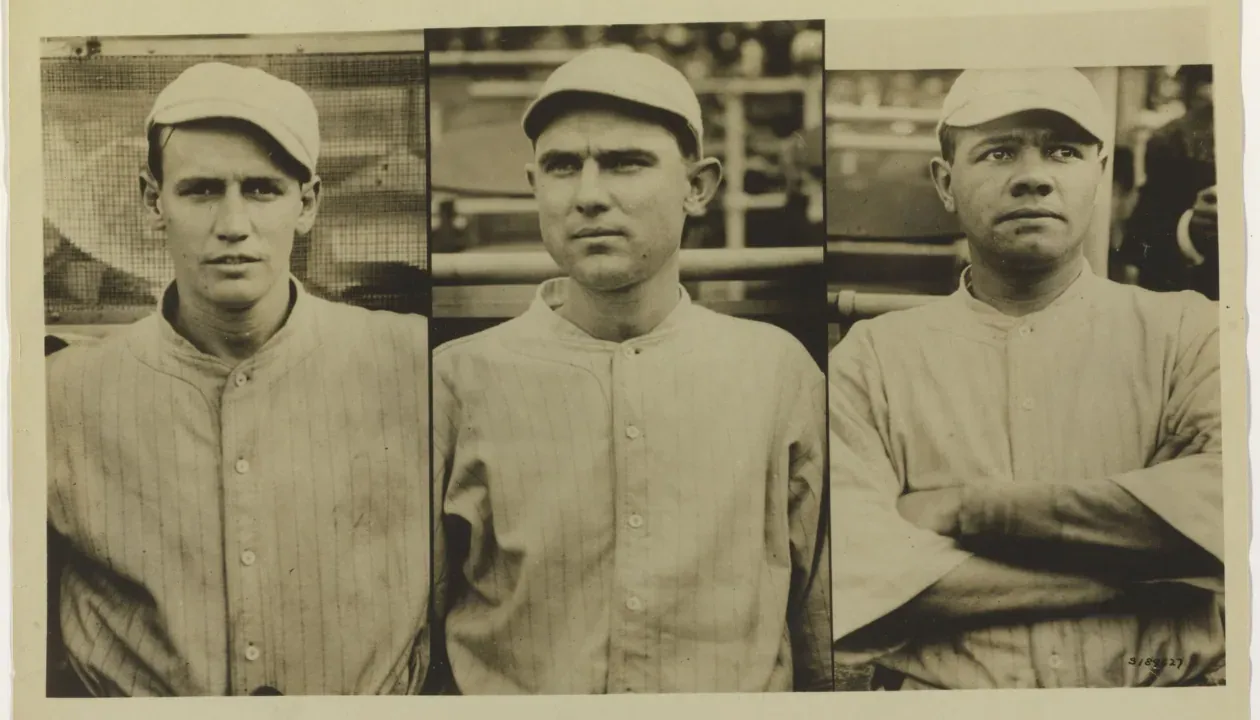
Collecting sports memorabilia is more than just a hobby; it’s a way to connect with the thrill of the game and the athletes who inspire us. Whether you’re a seasoned collector or just starting out, knowing how to identify rare items can significantly enhance your collection’s value and significance.
The world of sports collectibles is filled with hidden gems, but spotting them requires a keen eye and solid research. Understanding the historical context and market trends is crucial.
From rookie cards to game-used jerseys, each piece tells a story that can elevate its worth. Dive into this guide to learn essential tips for identifying and valuing rare sports memorabilia, ensuring your collection stands out in a crowded field.
Understanding Rare Sports Memorabilia
Understanding rare sports memorabilia involves recognizing its significance to both collectors and sports fans. Each collectible represents a moment in time, connecting you to athletes and events that shaped sports history.
Definition and Importance
Rare sports memorabilia includes items that carry historical and emotional value, often linked to significant events or legendary athletes. The rarity of these items contributes to their appeal and market value.
Collectors prize such memorabilia because they serve as tangible connections to sports’ rich history. Knowledge of the definition and importance of rare items aids in identifying valuable collectibles that can enhance your collection.
Types of Rare Memorabilia
Numerous types of rare memorabilia exist, including:
-
Cards: Trading cards, especially rookies or limited editions, can fetch high prices.
-
Autographs: Items signed by prominent athletes hold substantial value.
-
Game-Worn Gear: Jerseys or equipment worn during games by star players often represent significant moments.
-
Championship Rings & Trophies: Awards associated with championship wins carry immense prestige.
-
Event Tickets: Tickets from historic games or matches can be highly sought after.
Each category carries unique qualities that can impact its rarity and value. Understanding these types helps you spot valuable pieces tailored to your collecting interests.
Research and Knowledge
Effective research and a solid knowledge base play vital roles in identifying rare sports memorabilia. Understanding the nuances of collectibles enhances your ability to spot valuable items.
Sources for Information
Utilize reputable sources for accurate information.
-
Books: Reference comprehensive guides on sports memorabilia, like “The Official Price Guide to Sports Memorabilia,” for detailed insights.
-
Websites: Explore specialized sites like PSA, Beckett, or Sports Memorabilia for market valuations and authentication services.
-
Online Forums: Engage in discussions on forums such as SportsCollectors.net or Reddit’s r/memorabilia to gain perspective from seasoned collectors.
-
Auction Houses: Review auction results from houses like Sotheby’s or Heritage Auctions, which often feature rare items, providing price benchmarks.
Market Trends
Staying informed about market trends is essential when assessing value.
-
Price Fluctuations: Track item prices over time to identify trends; platforms like eBay and auction sites show historical sales data.
-
Influence of Players: Observe how players’ performance and popularity can affect memorabilia prices; rookie seasons often see heightened demand.
-
Event Significance: Monitor news for significant sports events or anniversaries that can elevate the interest and value of related memorabilia.
-
Collecting Seasons: Note annual patterns in collecting, especially around major sports events like the Super Bowl or World Series, as this can increase sales activity.
Authenticity and Provenance
Understanding authenticity and provenance is crucial in identifying rare sports memorabilia. These elements ensure the items you collect are genuine and enhance their value.
Importance of Authentication
Authentication confirms that a piece of memorabilia is real, protecting your investment. Counterfeit items can damage your reputation and financial standing.
Authentic memorabilia often appreciates in value, while forgeries can lead to significant losses. Notable indicators of authenticity include condition, signatures, and unique markings.
Experts employ specialized tools, such as microscopes and ultraviolet light, to conduct detailed analyses, revealing signs of aging, damage, or tampering. Provenance, or the item’s history, adds credibility and can significantly influence its market value.
Collectors should seek documentation and historical context to establish an item’s authenticity.
Upgrading Authenticity Knowledge
Enhancing your knowledge of authentication processes elevates your confidence in collecting. Familiarize yourself with common authentication techniques, including visual examinations and chemical testing.
Research reputable sources, such as books, articles, and online courses dedicated to sports memorabilia. Attend auctions and trade shows to observe experts in action and expand your network.
Engage with fellow collectors in online forums to share insights and experiences. By continuously educating yourself on authentication practices, you strengthen your ability to identify rare sports memorabilia effectively.
Condition and Care
Condition plays a crucial role in determining the value of sports memorabilia. Proper care ensures your collectibles maintain their worth over time.
Assessing the Condition
Assess the condition of each item meticulously. Look for factors such as wear, discoloration, and structural integrity. Evaluate the following elements:
-
Surface Quality: Examine for scratches or dents.
-
Color Fidelity: Check for fading or discoloration.
-
Edges and Corners: Inspect for fraying or creases.
-
Signatures: Verify the clarity and consistency of autographs.
Use a checklist to evaluate each piece, as this method ensures thoroughness. Items in excellent condition often command higher prices than those showing significant damage.
Preservation Techniques
Employ preservation techniques to prolong the lifespan and value of your sports memorabilia. Consider the following strategies:
-
Cleaning: Use appropriate methods to clean items, avoiding harsh chemicals that could cause damage.
-
Storage: Store items in temperature-controlled environments to prevent degradation.
-
Protective Covers: Utilize archival-quality sleeves or cases to shield collectibles from dust and physical damage.
-
Display Methods: Choose display options that minimize exposure to sunlight and humidity, such as shadow boxes or UV-protected frames.
Regularly revisit your preservation practices to ensure they meet the latest standards in collectible care.
Rarity and Limited Editions
Understanding rarity in sports memorabilia plays a critical role in enhancing the value of your collection. Limited edition items or those with a small production run often command higher prices and appeal to collectors.
Identifying Rare Finds
Identifying rare finds requires vigilance and attention to detail. Look for serial numbers or special markings that differentiate an item from the standard releases.
For instance, jerseys worn during specific games or limited-edition trading cards often hold more significant value. Items with a known history, such as game-worn gear from iconic athletes or championship-winning teams, typically attract premium prices.
Research past sales of similar items and stay updated on auction results to gauge market demand. Recognizing pieces associated with legendary players or historic events can increase your chances of uncovering valuable collectibles.
Significance of Limited Releases
Limited releases enhance desirability due to their scarcity. Items produced in small quantities often evoke emotional connections among collectors, heightening their perceived value.
For example, memorabilia from notable events like Super Bowls or the Olympics usually draws significant interest. Collectors often seek out these distinctive pieces, as they tell a larger story linked to famous moments in sports history.
Understanding the significance of an item’s origin contributes to its overall value, making it essential to research both the item and the event it represents.
Player and Event Significance
Understanding player and event significance is crucial in identifying rare sports memorabilia. Items linked to notable figures and historic moments carry immense value and appeal, enhancing your collection’s richness and market potential.
Key Factors in Value Assessment
Evaluate player accomplishments when assessing value. Players with Hall of Fame status or significant records command higher prices.
Analyze event significance, focusing on championship games and record-breaking moments, as they add context and desirability to memorabilia. Consider the item’s rarity, such as limited editions or items tied to specific milestones.
The demand for certain players can fluctuate based on their popularity and current performance, so keep abreast of market trends that directly affect value.
Notable Events and Their Impact
Identify significant sporting events that boost memorabilia value. Historic events, such as the Super Bowl, World Series, and Olympic Games, often produce iconic items.
Game-winning plays or dramatic finishes increase an item’s allure. Keep track of anniversaries tied to major events, as these often revive collector interest and drive demand.
Items associated with pivotal moments, like championship victories or legendary performances, typically see substantial appreciation. Understanding these factors allows you to pinpoint the most valuable collectibles in your search.
Networking and Community
Connecting with other collectors and enthusiasts enhances your understanding of rare sports memorabilia. Building relationships within the community can uncover valuable insights and opportunities.
Building Connections with Collectors
Engaging with fellow collectors fosters knowledge sharing and collaboration. Attend local memorabilia shows, sports conventions, and auctions to meet like-minded individuals.
Exchange information on trends, values, and sources. Forming relationships can lead to rare finds, trade opportunities, and access to exclusive content.
Utilize social media platforms to join collector groups, enhancing your network and visibility in the community. Networking helps you stay updated on emerging trends, market fluctuations, and collectibles that may not yet be widely recognized.
Joining Collecting Forums
Participating in online forums creates a platform to discuss and explore memorabilia topics. Seek out reputable forums dedicated to sports memorabilia, where you can ask questions and share your experiences.
Many forums feature sections for appraisals, providing feedback on your collection. Interact with seasoned collectors who often provide valuable advice and tips. Regularly participating helps you stay informed and engaged, improving the likelihood of identifying rare items.
Additionally, contribute to discussions to build credibility and establish a reputation within the community.
Documentation and Record Keeping
Maintaining records is crucial for managing your sports memorabilia collection effectively. Proper documentation enhances organization and protects your investment.
Keeping Track of Your Collection
Track every item in your collection with detailed records. Use a spreadsheet or specialized inventory software to include essential details such as:
-
Item Description: Provide a concise overview of each piece, noting specific features.
-
Purchase Details: Record where and when you bought the item, along with the purchase price.
-
Condition Reports: Regularly assess and document the condition, noting any changes over time.
-
Photographs: Take high-quality images to visually document each item, emphasizing unique elements.
Update these records consistently to reflect any changes, acquisitions, or sales. This organized approach streamlines management and enhances engagement with your collection.
Importance of Documentation
Documentation serves multiple purposes in collecting sports memorabilia. Essential benefits include:
-
Provenance Tracking: Maintain ownership history to establish legitimacy and enhance value.
-
Insurance Purposes: Accurate records provide necessary information for insuring collectibles, ensuring adequate coverage against loss or damage.
-
Resale Value: Detailed documentation can increase the potential resale value, as buyers often seek verifiable histories and conditions.
-
Market Insights: An organized collection allows you to analyze trends and make informed decisions about acquisitions and sales.
Comprehensive documentation strengthens your position as a collector and contributes to the overall integrity of managing your memorabilia items.
Conclusion
Identifying rare sports memorabilia is a rewarding journey that deepens your connection to the world of sports. By staying informed and conducting thorough research, you can uncover valuable items that enhance your collection.
Remember to prioritize authenticity and provenance to protect your investments and boost their worth.
Pay close attention to condition and rarity as these elements significantly impact value. Networking with fellow collectors can lead to unique opportunities and insights that enrich your collecting experience.
With the right approach and dedication, you’ll not only find rare pieces but also create a collection that tells a compelling story of sports history.
Frequently Asked Questions
Why should I collect sports memorabilia?
Collecting sports memorabilia connects you to the excitement of sports and athletes. It allows you to celebrate significant moments in sports history while investing in valuable items that can appreciate over time.
How do I identify rare sports memorabilia?
To identify rare memorabilia, research item history, player statistics, and significant events. Look for exclusive features such as limited editions, autographs, and unique markings that distinguish them from standard releases.
What affects the value of sports memorabilia?
The value of sports memorabilia depends on its rarity, condition, historical significance, and market demand. Items linked to legendary athletes and pivotal sports events tend to be more valuable.
How can I ensure the authenticity of my memorabilia?
Authenticating memorabilia involves examining unique identifiers such as signatures, condition, and provenance. Using professional grading services and tools can help verify the item’s genuineness, protecting your investment.
What preservation methods should I use for sports collectibles?
To preserve sports memorabilia, store items in a controlled environment, use protective covers, and avoid direct sunlight. Regularly assess the condition and apply proper cleaning techniques to prolong their lifespan.
Where can I learn more about sports memorabilia collecting?
To expand your knowledge, explore reputable guides, specialized websites, online forums, and attend local sports auctions or memorabilia shows. Networking with other collectors can also provide valuable insights.
How do market trends affect the value of memorabilia?
Market trends influence the value of memorabilia due to fluctuating demand, player performance, and significant events. Staying informed about these trends helps collectors make better investment decisions.
What documentation should I keep for my collection?
Maintain detailed records for each item, including descriptions, purchase information, condition reports, and photographs. This documentation aids in tracking provenance and can enhance resale value.
Are limited editions more valuable than regular items?
Yes, limited edition items typically command higher prices due to their scarcity and desirability among collectors. Unique features such as serial numbers increase their appeal and market potential.
How can networking help in sports memorabilia collecting?
Networking with fellow collectors through clubs or online forums provides access to knowledge, trade opportunities, and potential rare finds. Building relationships enhances your collecting experience and credibility.
Uncover Hidden Gems with Jons Stats
Discover the rarest sports memorabilia with Jons Stats! Our expert-curated collection features hidden gems that every beginner and seasoned collector will appreciate.
From rare autographs to vintage treasures, we’ll help you find the pieces that make your collection stand out. Start your search today—exclusive finds are waiting for you!