
Selling Estate Sale Sports Memorabilia in San Antonio
Most auction houses take a 15-25 percent buyer's premium plus seller's commission, meaning a $10,000 collection nets only $7,500 or less after fees.
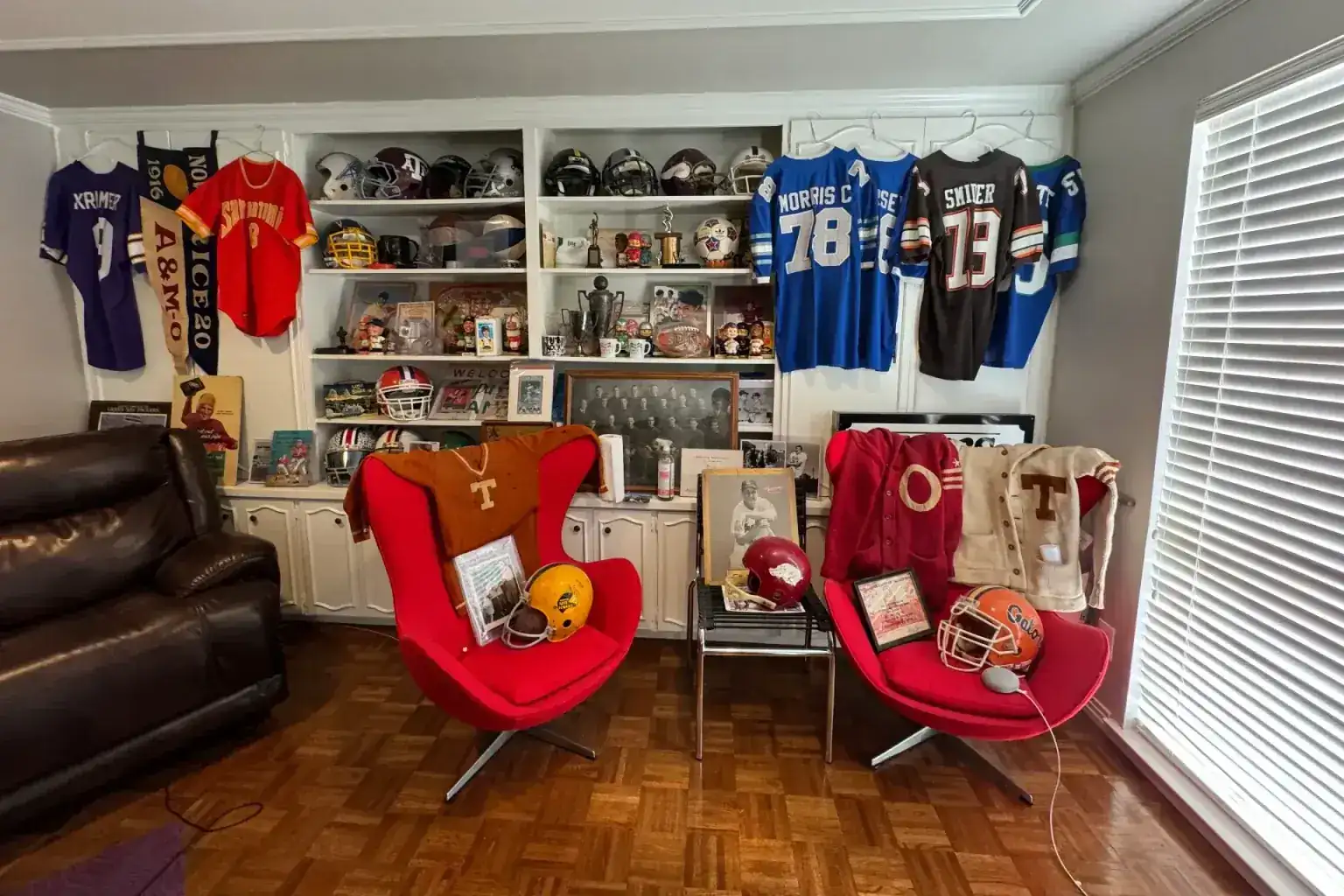
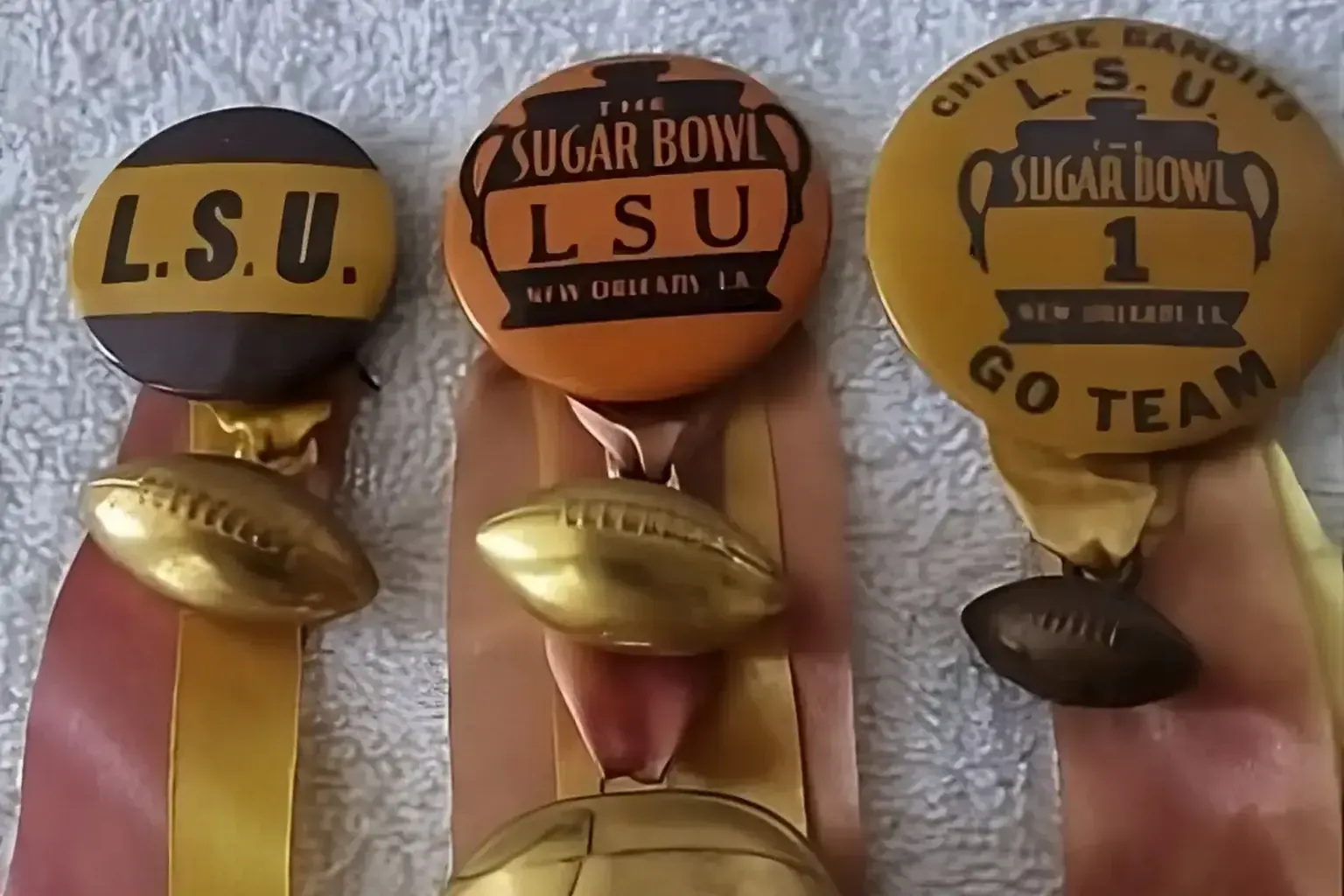
Jons Stats buys estate sale sports memorabilia, inherited sports card collections, and vintage autographed gear across San Antonio, TX. We handle the appraisal, cataloging, and direct purchase of collections so heirs and estate executors can settle the property without waiting months for auction results or losing 15-25 percent to consignment fees.
Most auction houses take a 15-25 percent buyer's premium plus seller's commission, meaning a $10,000 collection nets only $7,500 or less after fees. A direct estate sale sports memorabilia transaction closes in a single in-home visit. We handle the appraisal, agree on price, and cut a check the same day. There is no listing fee, no reserve-unmet risk, and no unsold-lot return logistics. For heirs managing a deceased collector's property, that speed and certainty matter.
An appraisal for inherited sports cards starts with sorting and cataloging. We check each card's set name, card number, and condition, then cross-reference recent auction comps from the past 90 days. For graded cards—those in PSA, BGS, or SGC slabs—the population reports tell us how many copies exist in each grade. A PSA 8 rookie card with only 12 known copies commands a premium over a PSA 6 with 200 in the population. Vintage trading cards from the 1950s and 1960s are priced by centering, corner wear, and paper-stock brittleness rather than the modern grading trends that apply to 1980s-onward issues. Condition scale runs 1–10 (Poor to Gem Mint), and a single grade shift on a valuable vintage card can mean a $500 difference. We document the appraisal in writing so heirs have proof of fair market value for tax purposes.
Heirs often inherit a mess—boxes in the attic, card binders in a closet, loose lots in plastic tubs. The first step is to sort by sport (baseball, football, basketball) and era. Then separate sealed boxes from individual cards. Sealed wax boxes can be worth 3-5 times the individual-card equivalent because collectors value the unopened integrity; breaking seals cuts value in half or more. Log the card number and set name for each individual card using a simple spreadsheet: player name, year, set, condition notes, and any visible defects. Group Pokemon cards separately from vintage baseball cards—the market dynamics are completely different. Same with Magic cards and Lorcana; modern gaming collectibles track their own comps. Keep all authentication paperwork, certificates, and grading slabs together. This prep work takes a few hours but prevents undervaluation and makes our appraisal faster and more accurate.
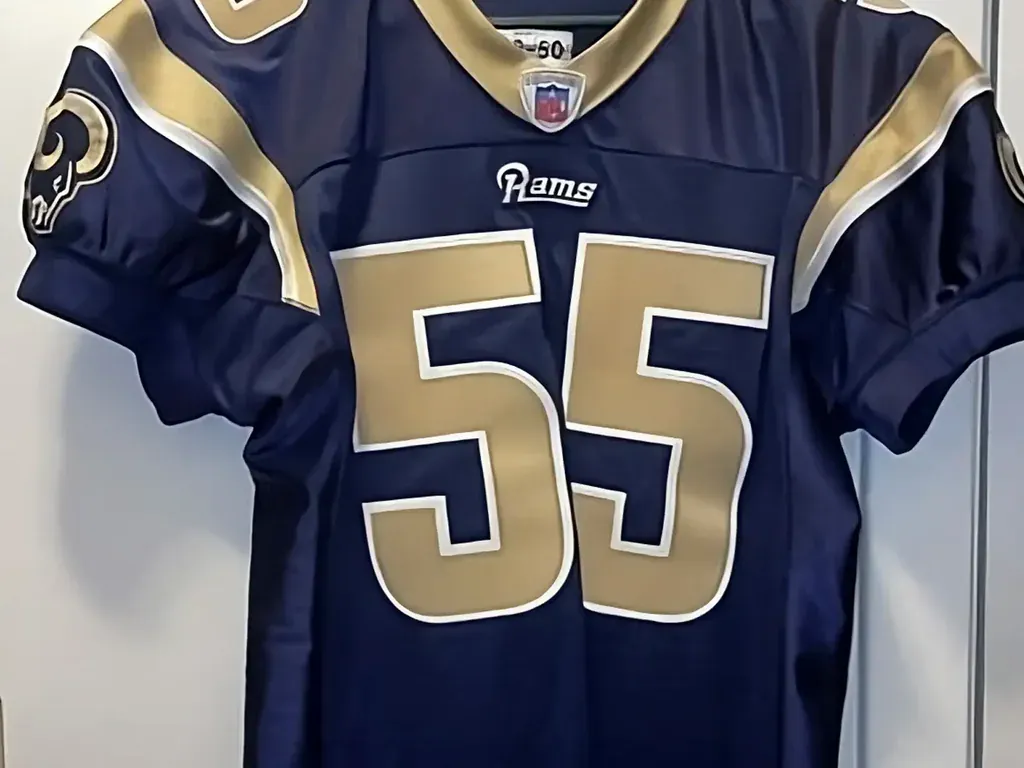
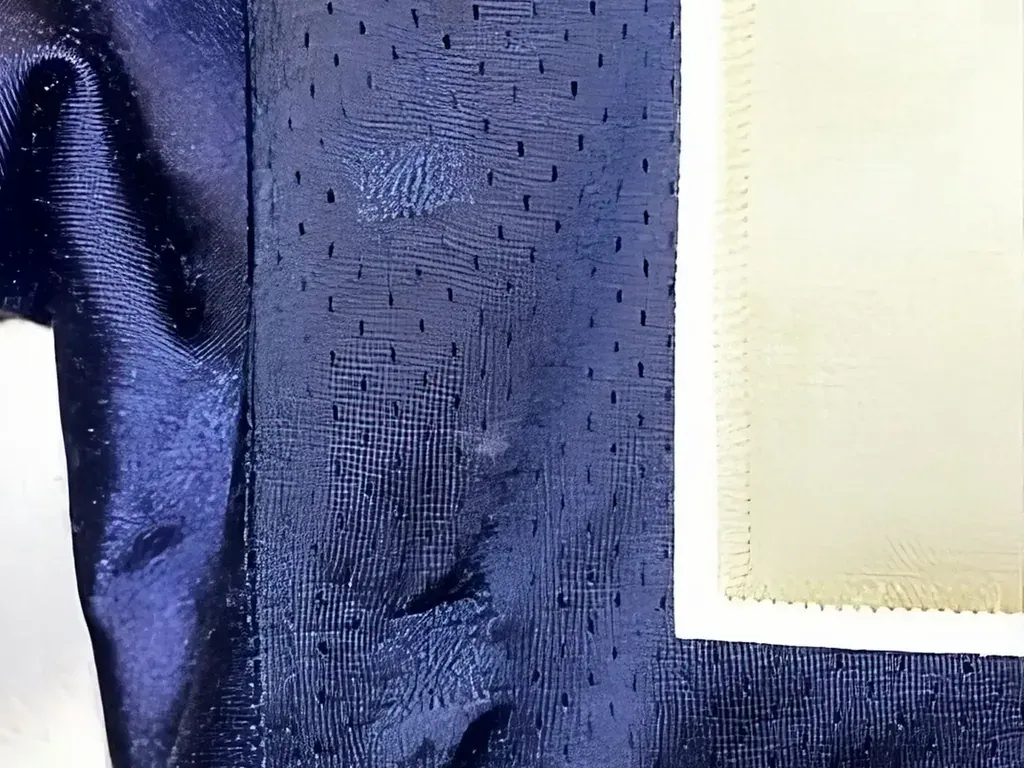
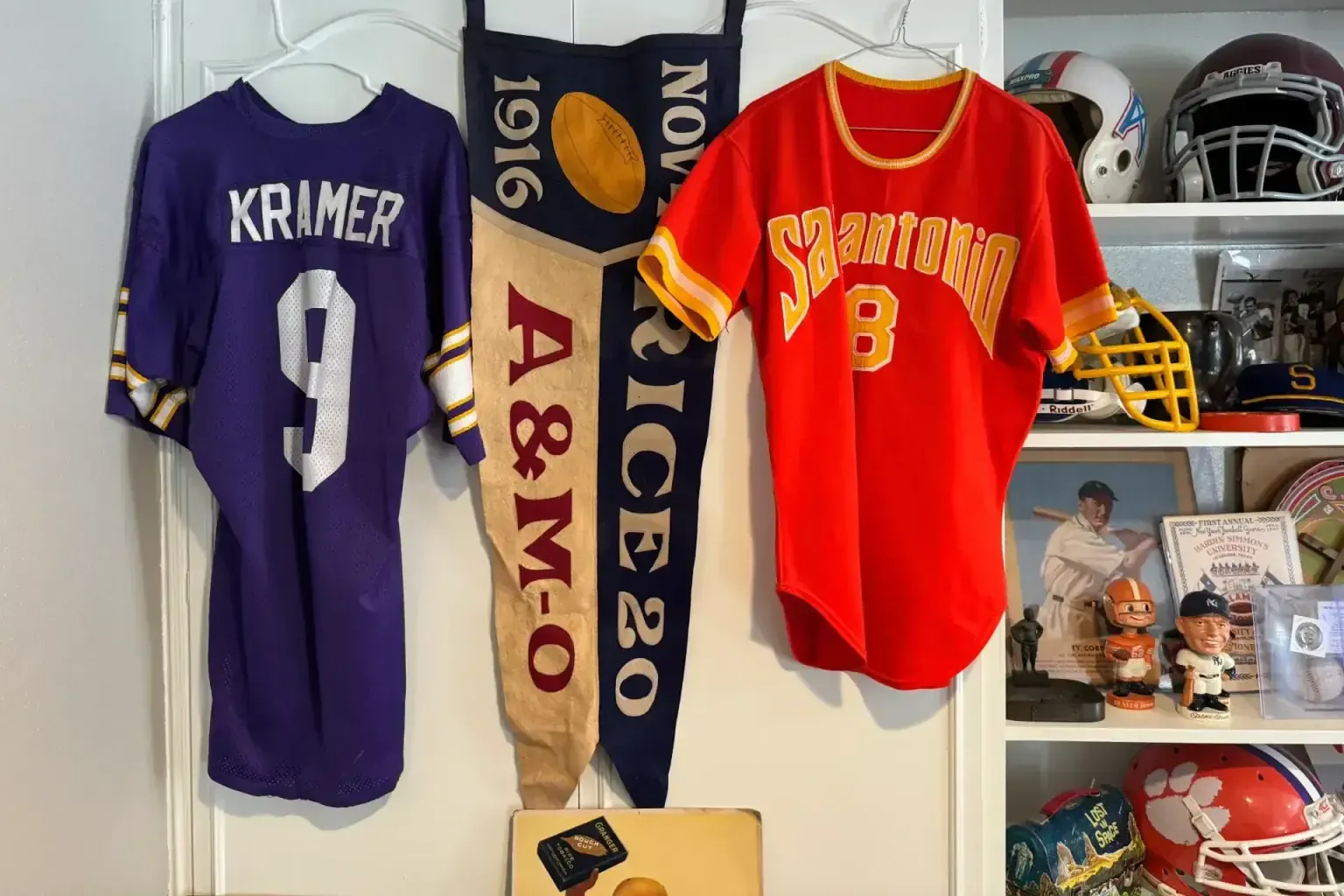
Signed memorabilia is subject to forgery. Before we include an autographed item in an estate appraisal, we verify authenticity. A certificate of authenticity alone is not proof—many fake COAs circulate. Reputable authenticators like PSA/DNA and JSA maintain exemplar databases of genuine signatures from specific athletes, and we cross-check suspect autographs against those samples. For game-used equipment—jerseys, cleats, bats—we check uniform tags against team equipment logs and season photos. A signed basketball with the wrong uniform number or a jersey tag from a year the player didn't wear that number is a red flag. We document the authenticator's letter in the final appraisal.
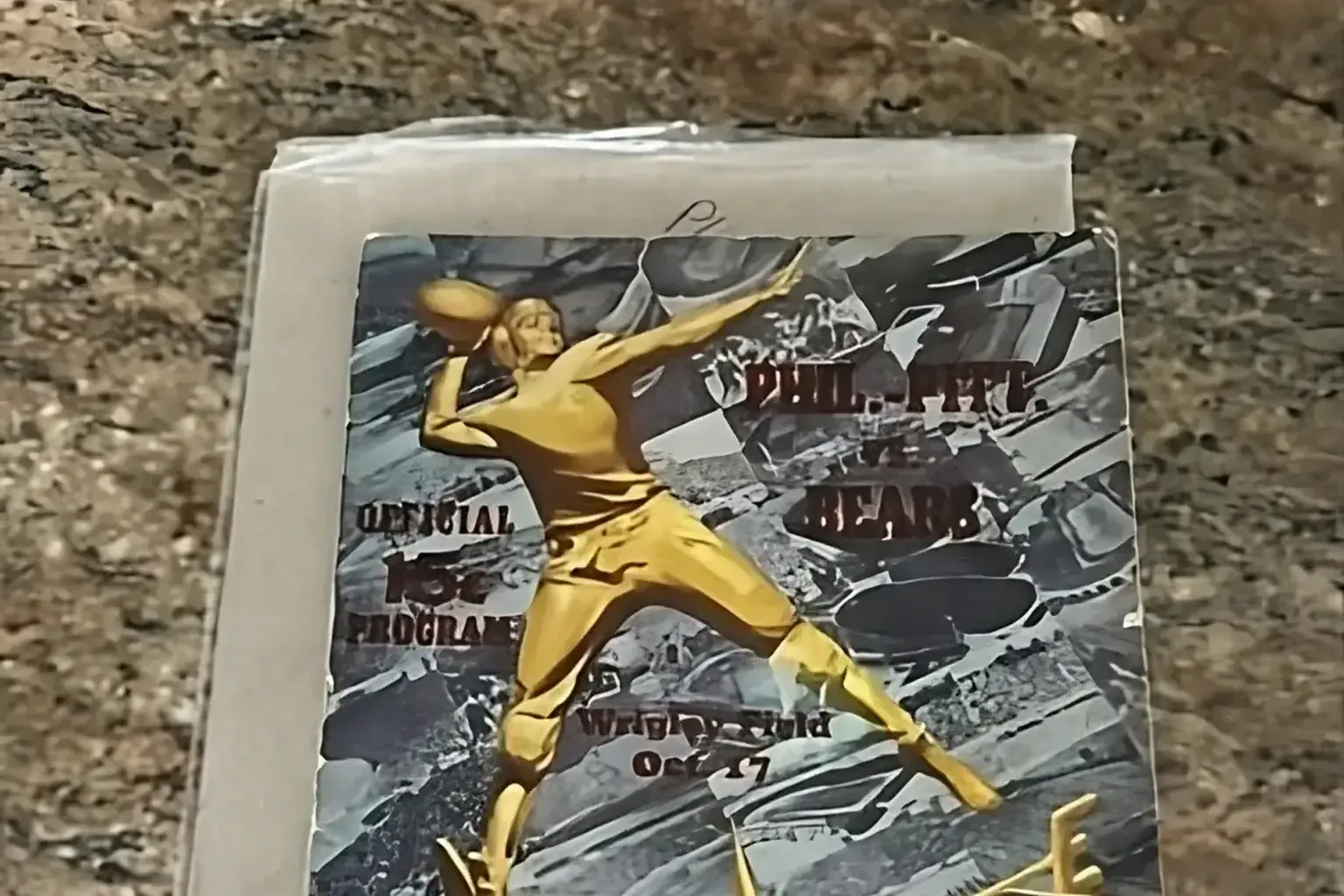
Pre-1970 cards are the most undervalued items in many estates because they lack PSA/BGS slabs and are harder to price. A 1952 Topps Mickey Mantle in Poor condition still carries real value because of scarcity. We price pre-war and vintage cards by centering, corner crease, paper brittleness, and staining—not by modern grading trends. Ephemera like game programs, yearbooks, and posters are overlooked because they do not fit the "card" narrative. A 1927 World Series program or a signed team poster can be worth $500–$2,000 depending on player relevance and print-run scarcity. Yearbooks from the 1960s featuring Hall of Famers as rookies hold collector value. We evaluate the entire collection, not just the graded cards, to unlock value heirs did not know existed.
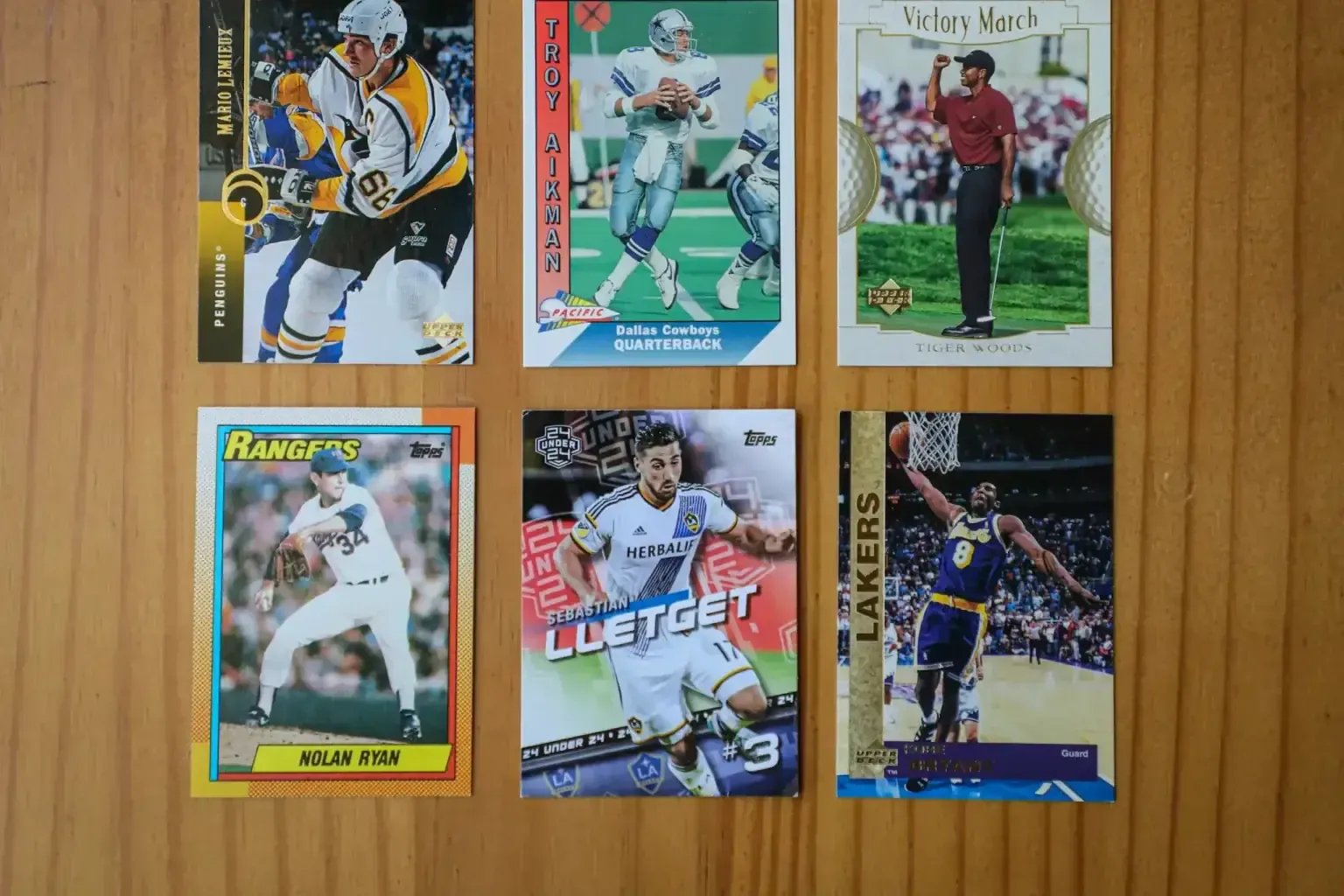
When we evaluate a collection for estate liquidation services, we price trading card lots by grouping similar cards—all 1980s Topps together, all modern Pokemon together, all basketball cards together. A lot of 500 ungraded common cards from the 1990s might fetch $2–$5 per hundred depending on set and centering. Mixed lots that lack a clear theme sell slower and for less. Individual high-value cards are priced separately based on their sports card grading and certification status, whether they are PSA-certified or raw. Collectible pricing depends on rarity, player demand, and condition—a signed baseball from a Hall of Famer in excellent condition commands more than a common player's signature on a yellowed ball. We separate high-grade lots from commons, signed items from unsigned, and sealed boxes from opened packs. This sorting effort increases recovery value significantly compared to selling everything as one indiscriminate box.

Between the time we appraise a collection and the time it ships out, it sits in the estate. Improper storage degrades value fast. Keep trading cards and collectibles at 65–70°F with 40–50 percent relative humidity. Basements and attics are death traps—moisture swings warp cards and encourage mold. Store cards in rigid holders or boxes, away from direct sunlight and heat sources. Autographed jerseys should hang in a closet, not be folded. Posters and programs go flat in acid-free sleeves. Avoid elastic bands, paper clips, and tape—they leave permanent marks. We advise heirs on temporary storage best practices so nothing deteriorates while the estate settles.
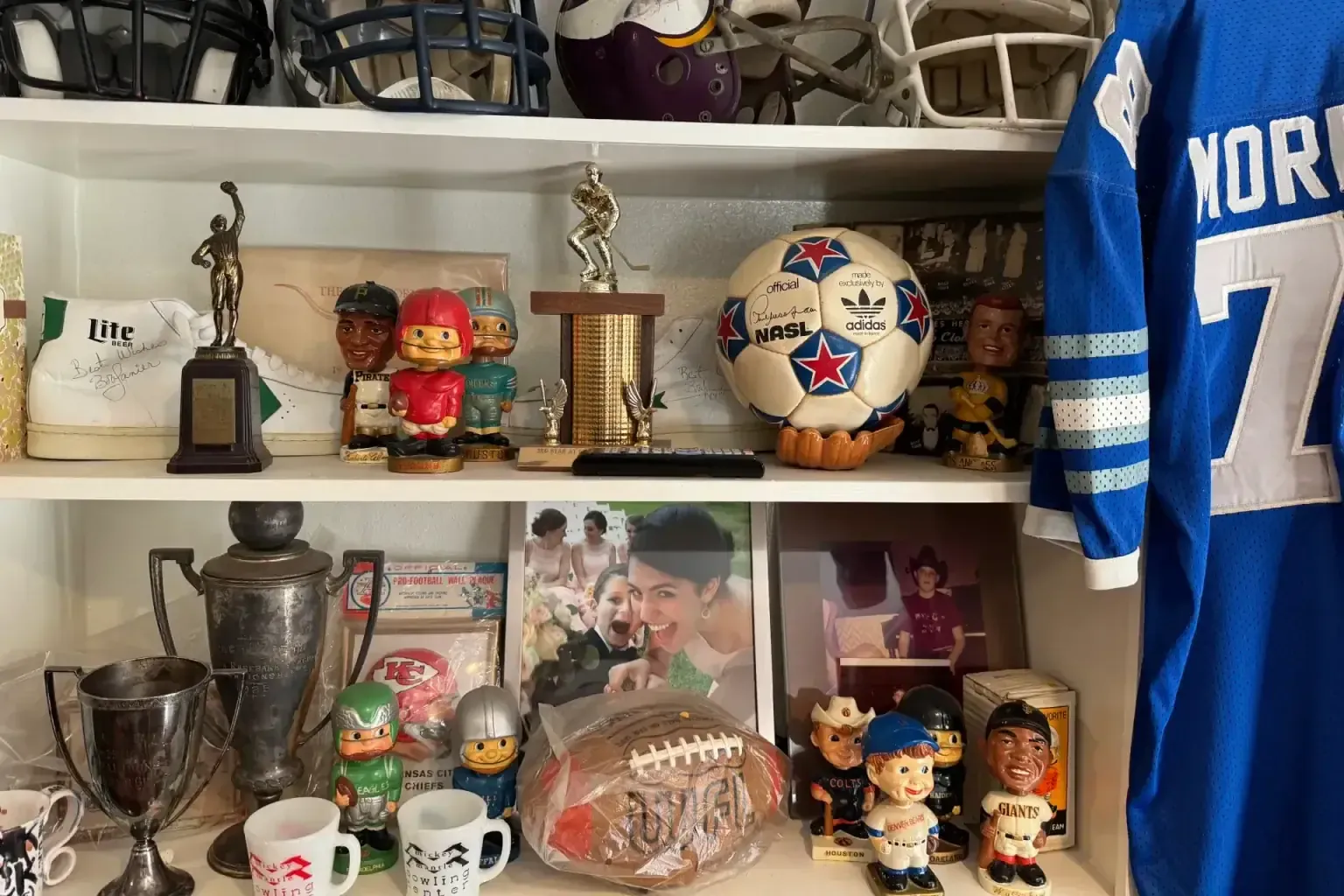
A general estate liquidator might group an $8,000 vintage baseball card collection in a lot with toy soldiers and old textbooks, listing it for $300 because the liquidator has no sports market comps. A specialist knows the sports card grading and certification scale, checks population reports, and distinguishes a raw card from a graded card. Before hiring anyone, ask: Do you have category-specific comps for vintage trading cards, signed baseballs, and game-used jerseys? Or do you price sports items the same way you price generic household goods? Compare the guaranteed direct offer we provide against the uncertainty of online auction bidding, listing fees, and unsold-lot returns.
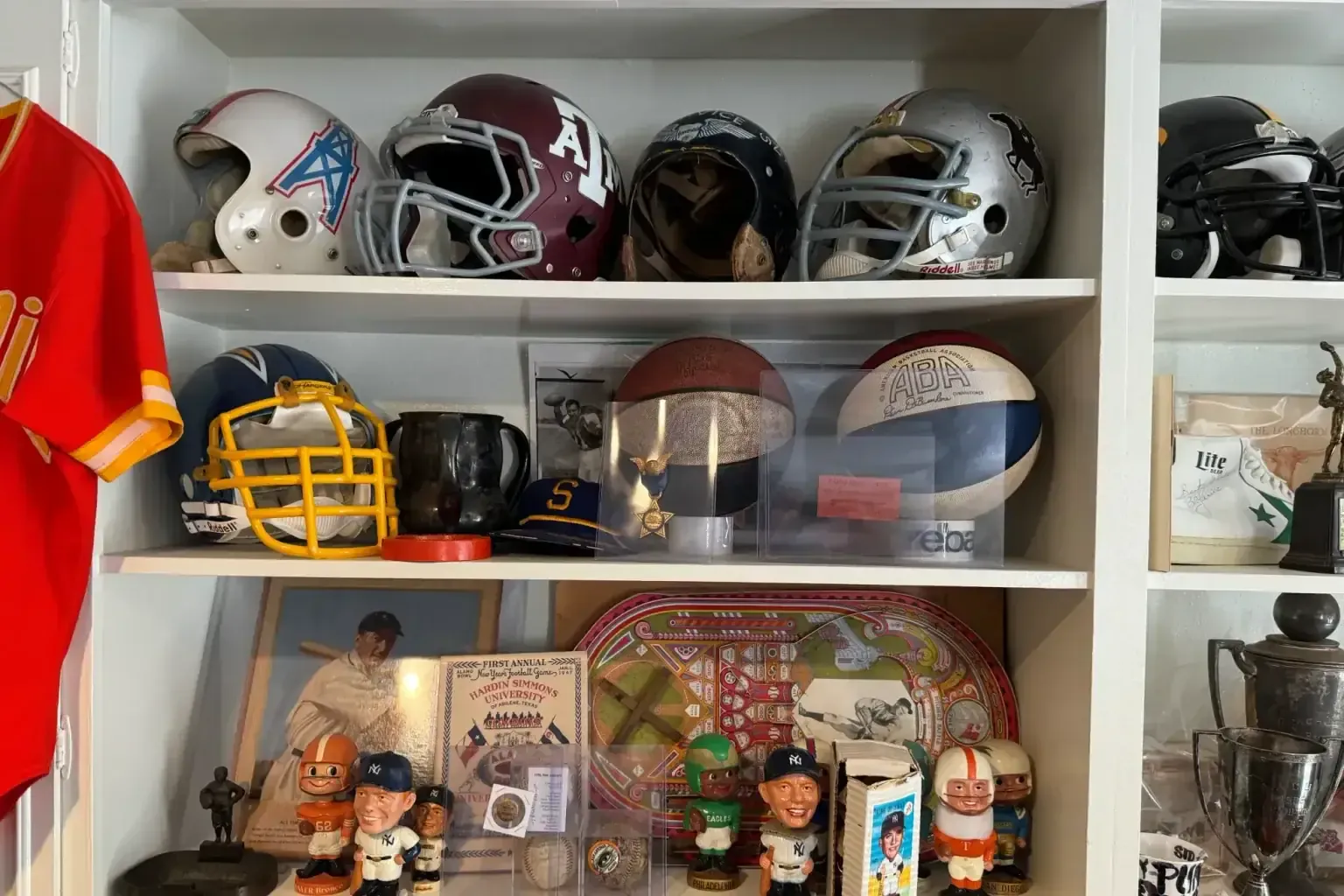
Inherited sports memorabilia receives a stepped-up basis—meaning the fair market value at the date of death becomes the heir's cost basis for tax purposes. If the deceased collector paid $500 for a card and it is worth $5,000 at death, the heir owes capital gains tax only on gains above $5,000. This is a major tax advantage. Keep the appraisal and the sale receipt together for IRS documentation. Report the sale on your tax return—the IRS tracks large collectible sales. We provide a written appraisal and purchase documentation so your accountant has the trail needed for accurate reporting.
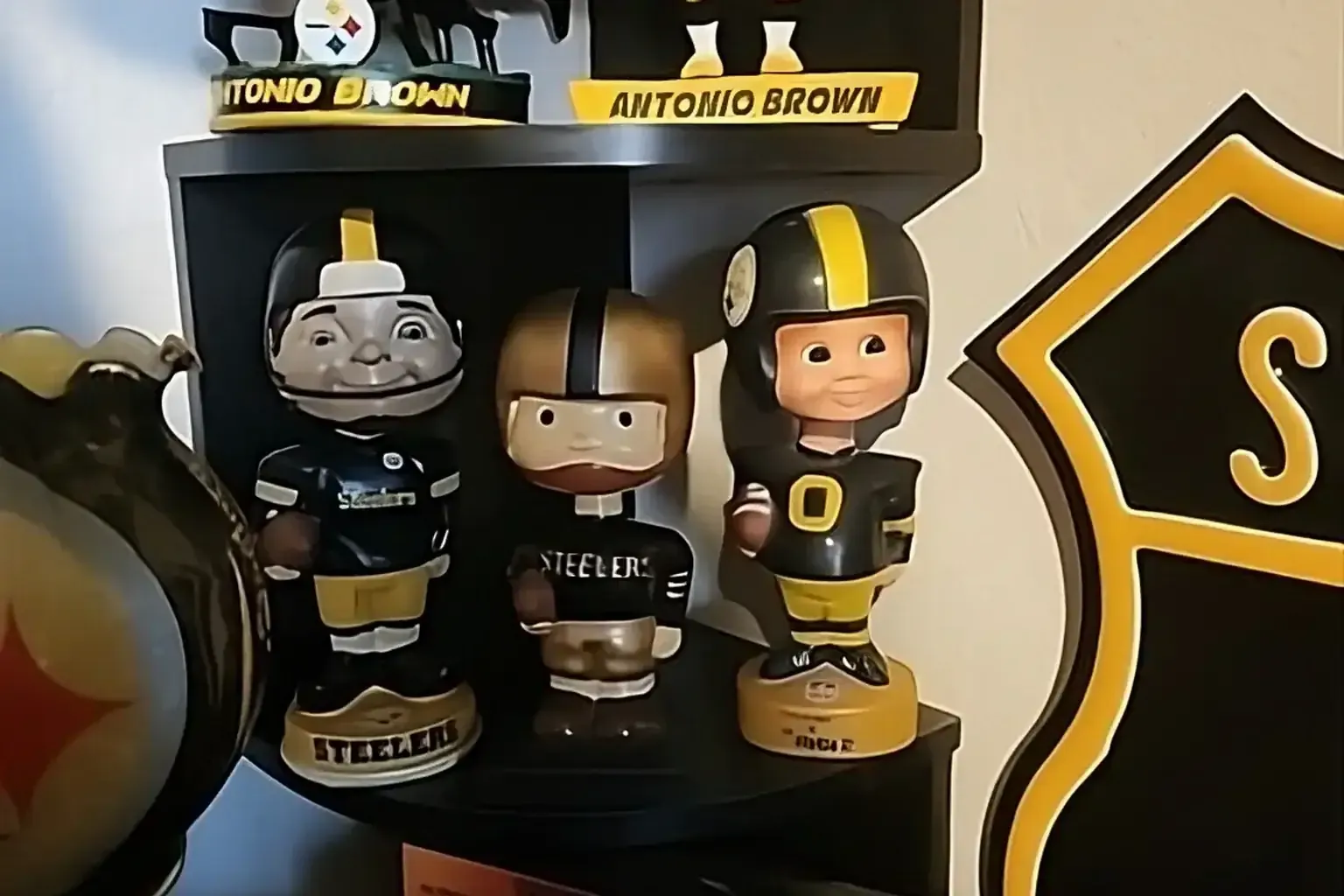
If you've inherited sports cards or you're thinking about building a collection, the first step is understanding what you actually have or what you want to start with. Most people don't know the difference between a 1980 Topps card worth five dollars and a 1952 Topps Mickey Mantle that could be worth thousands. Starting a trading card collection from scratch means learning those gaps fast, or you'll buy the wrong cards at inflated prices.
Most auction houses take a 15-25 percent buyer's premium plus seller's commission, meaning a $10,000 collection nets only $7,500 or less after fees.
An appraisal for inherited sports cards starts with sorting and cataloging. We check each card's set name, card number, and condition, then cross-reference recent auction comps from the…
Heirs often inherit a mess—boxes in the attic, card binders in a closet, loose lots in plastic tubs. The first step is to sort by sport (baseball, football, basketball) and era.
Signed memorabilia is subject to forgery. Before we include an autographed item in an estate appraisal, we verify authenticity.
Pre-1970 cards are the most undervalued items in many estates because they lack PSA/BGS slabs and are harder to price.
When we evaluate a collection for estate liquidation services, we price trading card lots by grouping similar cards—all 1980s Topps together, all modern Pokemon together, all basketball…
Why homeowners call us
The person who looks at what you have is the person who makes the offer and pays for it. No call centre, no consignment queue, no waiting on a decision from somewhere else.
Offers are based on recent comparable sales and the condition of the item in front of us, and we will show you both. If something is worth more elsewhere, we will say so.
Send photographs, get a quote, then post the item or arrange to meet. Nothing is committed until you accept the number.
Sellers around San Antonio can be seen in person, and anyone further out can post items in with tracking and insurance.
FAQ
Contact us with photos or a list of what you have. We schedule an in-home visit to inspect cards, verify grades, check population reports for graded cards, and compare recent auction comps. The appraisal is documented in writing and typically takes 1–2 hours. We provide the report so you can use it for tax purposes or to compare our offer against other buyers.
Sell directly to a specialty buyer like us. We close in one visit, pay immediately, and eliminate auction house commissions (15-25 percent), listing fees, and the 6–12 week wait. You get certainty and speed instead of hoping bidders show up online.
Cross-check the signature against exemplar databases maintained by PSA/DNA or JSA. For game-used items, verify uniform tags and team equipment logs. A certificate of authenticity alone is not proof. We verify authenticity as part of our appraisal process.
Yes. Unopened sealed boxes are worth 3–5 times the equivalent loose cards. Breaking the seal cuts value in half or more. Keep them sealed until the buyer takes possession.
Store at 65–70°F with 40–50 percent humidity. Use rigid holders for cards, hang jerseys in a closet, and keep posters flat in acid-free sleeves. Avoid basements, attics, direct sunlight, and moisture swings. Do not use rubber bands, tape, or paper clips.
Inherited items receive a stepped-up basis at date-of-death fair market value, so you owe capital gains tax only on appreciation above that amount. Keep the appraisal and sale receipt for your accountant. Report the sale on your tax return.
Call 726-237-8297 or send photographs and we will come back with a number.